US Navy Faces Allegations of Inadequate Provisions in Strait of Hormuz
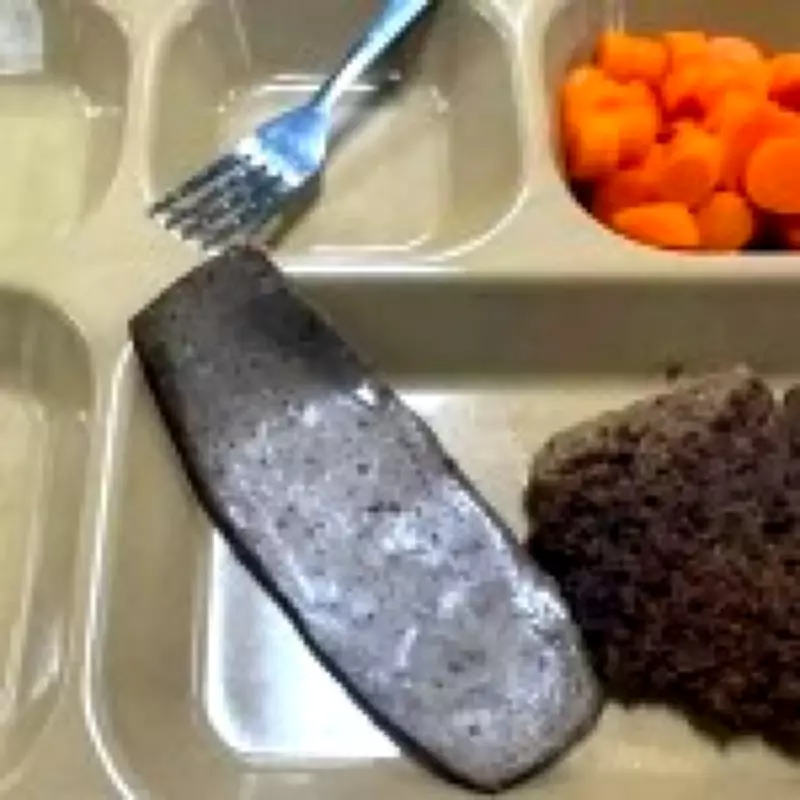
Disturbing images have emerged from US service personnel aboard warships in the Strait of Hormuz, depicting meager food rations that include a dry meat burger, processed meat strips, and small portions of sliced carrots. These photos, allegedly taken on the USS Abraham Lincoln, have sparked concerns about the well-being of sailors enforcing a US blockade of Iranian ports, initiated on Monday. Former President Donald Trump stated the blockade would persist until a deal is reached, but Iranian military officials announced this morning that the strait has closed again due to the US action.
Reports of Deprivation Among Sailors
Further accounts from the region highlight the challenging conditions. A female marine aboard the USS Tripoli, which departed Tokyo a month ago for Gulf operations, sent her father, Dan, a picture of her nearly empty meal tray featuring only a lump of shredded meat and a single tortilla wrap. She added that sailors are being deprived of caffeine after the onboard coffee machine broke down, and hygiene supplies are reportedly running low. In response, the US Navy has firmly denied these allegations, labeling reports of food shortages as "false."
The Navy issued a statement asserting, "Recent reports alleging food shortages and poor quality aboard our deployed ships are false. The US Navy possesses an unmatched logistics capability to sustain operations at sea, and routine menu adjustments are simply how we optimise our endurance to keep our warships in the fight." Additionally, the Navy confirmed that a temporary hold on mail deliveries of personal packages has been lifted.
Families Rally to Send Essential Supplies
Concerned family members across the United States have taken matters into their own hands, attempting to send care packages with essentials such as toothpaste, socks, puzzle books, and homemade fudge. However, many of these parcels have been in transit for over a month, with delays exacerbating the situation. Dan, for instance, sent his daughter a box containing toothpaste, tampons, deodorant, shampoo, and conditioner more than a month ago, but it has yet to arrive.
A mother from Texas reported sending her son thousands of dollars worth of aid parcels, none of which have been delivered. She revealed that her son had indicated supplies were "getting really low" as early as March 11, with the crew not expecting to reload at port until their mission concludes. Karen Erskine-Valentine, a pastor whose community dispatched 18 boxes to the USS Abraham Lincoln, shared feedback that the food onboard was "tasteless" and sailors were "hungry all the time," remarking, "That kind of breaks your heart."
Official Responses and Escalating Tensions
US Defence Secretary Pete Hegseth countered these claims, insisting that marines have sufficient provisions. He stated that all ships were loaded with at least 30 days of Class I provisions, or food, and posted on X, "NavCent monitors this everyday, for every ship. Our sailors deserve — and receive — the best." Meanwhile, the geopolitical situation remains volatile. Iranian parliamentary speaker Mohammad Bagher Ghalibaf warned that the Strait of Hormuz would not "remain open" if the US blockade on Iranian ships continues, threatening further disruptions to a waterway that typically handles around 20% of the world's natural gas.
In a related incident, US Treasury Secretary Scott Bessent appeared to misname the Strait of Hormuz during a press briefing on talks with Iran, adding a note of confusion to the high-stakes diplomatic efforts. As of Saturday, uncertainty looms over the strait's status, with no immediate resolution in sight. The Pentagon has been contacted for additional comment, but the standoff underscores the human and logistical challenges faced by military personnel in conflict zones.