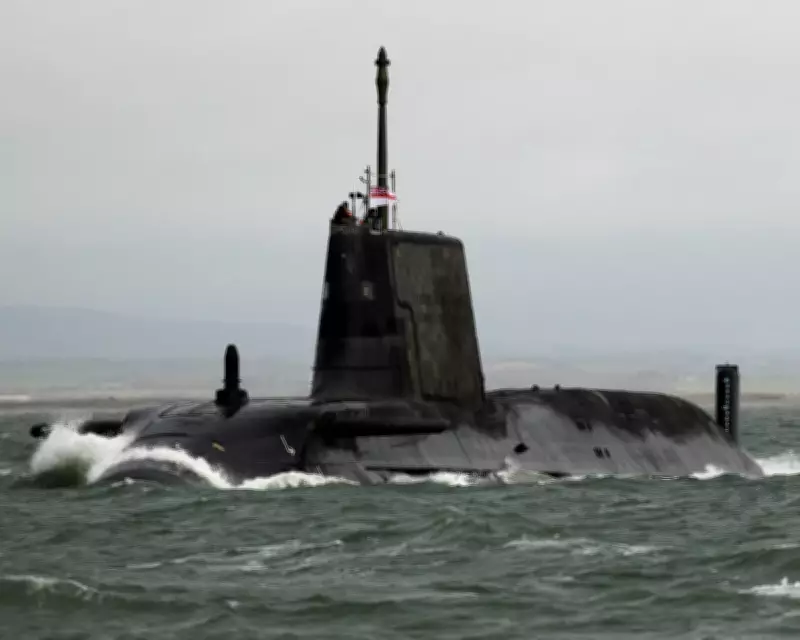
US Criticism of Royal Navy Exposes UK Defence Vulnerabilities
The recent sarcastic remarks by US Defence Secretary Pete Hegseth, mocking the "big, bad Royal Navy," have sparked a broader discussion about the actual state of the UK's naval forces. While Hegseth's comments were made in a political context, they resonate with serious concerns raised by military officials and experts regarding the Royal Navy's readiness for conflict.
Political Context and Substantive Concerns
Hegseth and former US President Donald Trump have both targeted the Royal Navy with jibes, such as Trump dismissing UK aircraft carriers as "toys" and questioning the navy's effectiveness. These comments come as both US figures face pressure over their offensive actions against Iran, which lack clear objectives and have drawn criticism internationally. UK Prime Minister Keir Starmer has avoided direct involvement in the conflict, a stance that has reportedly angered Trump.
However, beyond the political rhetoric, there is substantial evidence supporting the concerns about the Royal Navy's capabilities. The House of Commons defence committee has expressed grave doubts about the navy's capacity to respond to crises in the Middle East. Additionally, former general Richard Barrons, part of Labour's strategic defence review team, attributed the lack of military readiness to post-Cold War downsizing, describing the armed forces as "right-sized for an era free of threat."
Military Leaders and Reports Sound Alarms
A report by the Center for European Policy Analysis warned that the Royal Navy is "on course for national embarrassment." More critically, Gen Sir Gwyn Jenkins, the First Sea Lord, admitted in an interview that the navy is not currently ready for war, stating readiness would only be achieved by the end of the decade. This admission followed criticism over the slow deployment of HMS Dragon to Cyprus after US and Israeli attacks on Iran, which took over three weeks.
The decline in naval assets is stark: from 51 destroyers and frigates at the end of the Cold War, the fleet has dwindled to 13 aging vessels. Defence spending has also decreased, with the UK currently allocating 2.4% of GDP to defence, though Labour has pledged to increase this to 2.5% by 2027. Recent withdrawals, such as the removal of minehunters from Bahrain, further highlight operational gaps.
Government Response and Future Outlook
The UK government has responded by highlighting initiatives like the Atlantic Bastion programme, which aims to modernize the Royal Navy with autonomous vessels and AI technology. A Ministry of Defence spokesperson emphasized the navy's readiness for advanced operations and the ongoing nuclear deterrent. Despite this, Starmer has acknowledged the need for increased military spending, agreeing at a NATO summit to raise defence budgets to 3.5% of GDP by 2035.
Nevertheless, as long as the UK maintains its stance on avoiding direct conflict with Iran, political tensions with the US are likely to persist, keeping the Royal Navy under scrutiny. The combination of external criticism and internal warnings underscores the urgent need for strategic defence enhancements to ensure national security in an increasingly uncertain global landscape.