The Ministry of Defence has unveiled a multimillion-pound technological shield designed to protect the United Kingdom's vital undersea cables and pipelines from hostile foreign activity.
A Direct Response to Russian Activity
Named Atlantic Bastion, the new programme was announced as part of the government's Strategic Defence Review. Defence chiefs stated the initiative is a direct reaction to a marked resurgence in Russian submarine and underwater operations. This includes the recent tracking of the Russian spy ship Yantar around UK waters.
First Sea Lord, General Sir Gwyn Jenkins, is set to detail the update in a speech at the International Sea Power Conference in London on Monday, 8 December 2025. He is expected to declare that maritime security is now a strategic imperative for the nation and that "it is time to act".

AI and Autonomous Systems on the Frontline
The project represents a bold fusion of traditional naval power with cutting-edge technology. Atlantic Bastion will integrate warships, submarines, and aircraft with a fleet of autonomous vehicles, all connected through AI-powered acoustic detection systems.
This creates a "digital targeting web", a pioneering network that allows for faster identification and engagement of underwater threats. The MoD and industry partners have committed a combined £14 million in investment this year, with the goal of deploying the technology as early as next year.
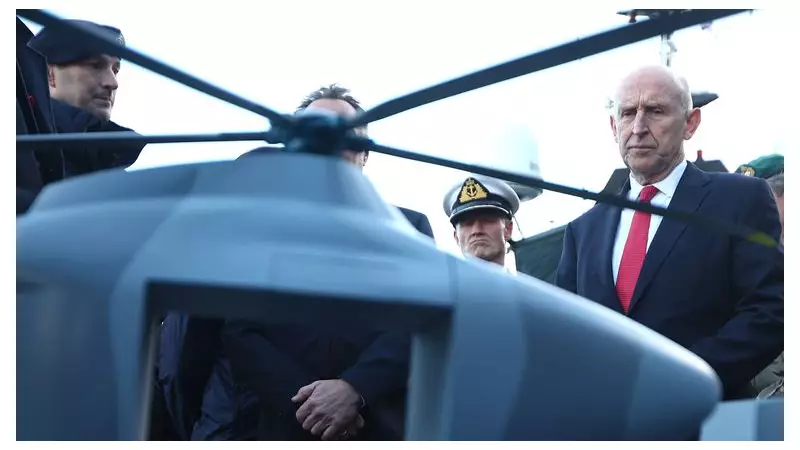
Last week, Defence Secretary John Healey visited Portsmouth Naval Base to inspect early prototypes. The hardware on display included:
- SG-1 Fathom: An autonomous underwater glider.
- Rattler: An unmanned remote-controlled surface vessel.
- A model of Proteus, an autonomous anti-submarine helicopter system.
- Excalibur: An experimental uncrewed submarine.
Securing the Nation's Lifelines
Mr Healey emphasised the gravity of the new threat, stating, "People should be in no doubt of the new threats facing the UK and our allies under the sea, where adversaries are targeting infrastructure that is so critical to our way of life." He added that this new era demands rapid innovation at a "wartime pace".
The urgency stems from the critical role subsea infrastructure plays. These cables carry 99% of the UK's international telecommunications data and essential energy supplies, including electricity, oil, and gas.
The launch of Atlantic Bastion follows closely on the heels of a new UK-Norway defence pact, signed on Thursday, which aims to combine naval efforts to protect these same undersea assets. A total of 26 firms from the UK and Europe have already submitted proposals to contribute to the ambitious Atlantic Bastion programme.