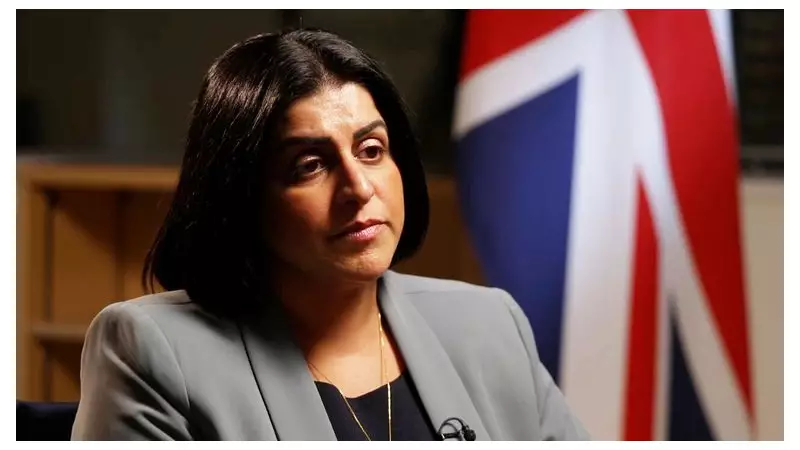
The number of police constabularies across the United Kingdom is poised for a substantial reduction in what represents the most significant overhaul of policing structures witnessed in several decades. Home Secretary Shabana Mahmood is scheduled to unveil comprehensive reform plans next week that will dramatically decrease the current total of 43 separate forces.
Critics Voice Concerns Over Crime Fighting Capabilities
Conservative opposition figures have issued stark warnings that this sweeping reorganisation risks undermining efforts to fight crime across the nation. Shadow Home Secretary Chris Philp has articulated serious reservations, stating there exists no evidence that merging police forces would effectively reduce criminal activity or enhance operational performance.
Philp emphasised that top-down reorganisation could inevitably lead to centralised control mechanisms that might disproportionately impact towns and villages throughout the country. He pointed to the Metropolitan Police as an illustrative example, noting that despite being the largest force, it maintains some of the lowest crime-solving rates alongside declining officer numbers.
Structural Changes and Implementation Timeline
The proposed reforms are understood to involve several key structural changes:
- Merging back-office functions across forces to liberate resources
- Redirecting freed resources toward investment in additional police officers
- Establishing Local Policing Areas nationwide to address neighbourhood-level crimes
- Creating frameworks for officers to concentrate on local issues like shoplifting and anti-social behaviour
Government insiders have indicated that these transformative plans will not become operational until approximately 2034, allowing for an extended implementation period. The strategy shift represents the latest development in ongoing tensions between police leadership and the Home Secretary, who recently endorsed proposals granting her authority to compel chief constable resignations.
Historical Context and Government Rationale
This is not the first time such consolidation has been proposed. Similar reductions were suggested nearly two decades ago when then Home Secretary Charles Clarke advocated cutting forces to just 12. Those plans were abandoned by his successor John Reid merely four months later following the collapsed merger of Lancashire and Cumbria police forces and opposition from senior officers.
A government source highlighted the Wiltshire Police response to the 2018 Salisbury poisonings as justification for reform, noting the force required support from 40 other constabularies. The source also referenced significant disparities in charge rates for certain offences across different regions.
Under this new structure, all forces - regardless of where they are - will have the tools and resources they need to fight serious crime, the source stated. Where you live will no longer determine the outcomes you get from your force.
Uncertainties and Independent Review
The precise number of forces that will operate under the new framework remains unclear, though an independent review will be announced to examine specific details. Critics within government circles have long argued that the current policing model suffers from excessive bureaucracy and financial inefficiency, while some officials believe smaller forces lack adequate resources to combat serious criminal activities effectively.
Allies of Home Secretary Mahmood have reinforced her commitment to these reforms despite mounting opposition. The proposed changes represent a fundamental reimagining of British policing structures that will undoubtedly generate continued debate as implementation details emerge in the coming years.