
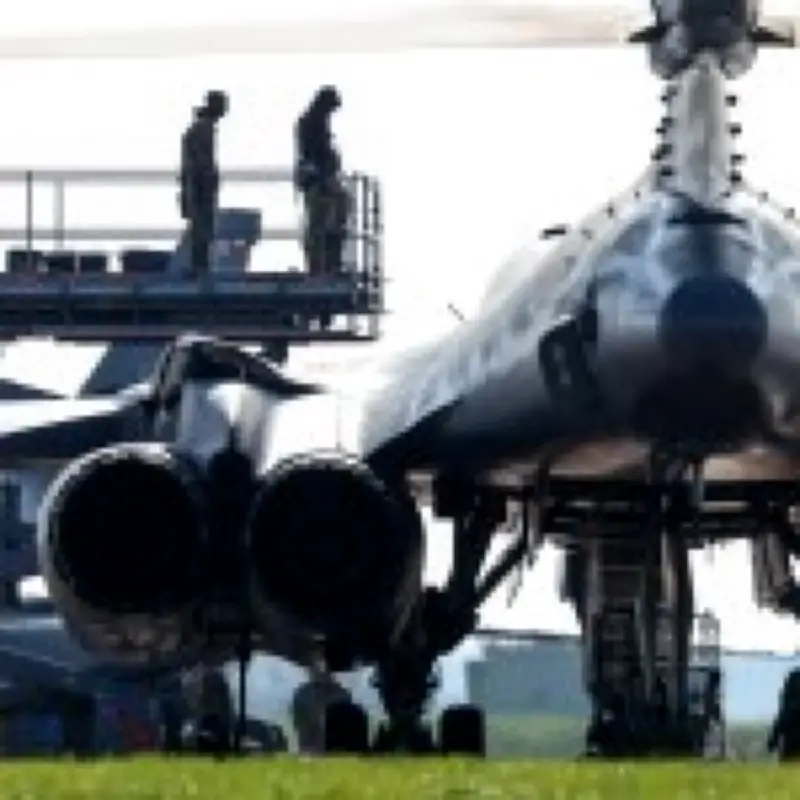
The United Kingdom is prepared to defend itself around the clock after Iran threatened to attack RAF Fairford, a base in Gloucestershire used by US forces. The Iranian Ministry of Foreign Affairs accused the UK of complicity in war crimes by allowing the US to launch strikes from British soil.
Government response to Iranian threats
In a statement, Iran's MFA said anyone supporting 'military aggression against Iran will bear responsibility for the consequences and repercussions of its decision.' The UK Ministry of Defence responded by affirming that British armed forces are ready to keep the nation safe from any attack, whether on home soil or abroad. A spokesperson said: 'Our armed forces are ready to keep the United Kingdom safe from any kind of attacks, whether it’s on our soil or from abroad. The UK stands ready 24/7 to defend itself. This includes through operating a layered approach to air and missile defence, provided by Royal Navy, British Army and Royal Air Force assets equipped with a range of advanced capabilities, working closely with our Nato allies.'
Background of US strikes and UK involvement
US President Donald Trump has conducted 13 consecutive nights of strikes against targets in Iran, with potential for further escalation. Prime Minister Andy Burnham has maintained the agreement made by his predecessor, Sir Keir Starmer, allowing the US to use British bases for defensive strikes. The UK has refused to participate in offensive campaigns but permits the US to launch defensive operations from bases hosting American personnel.
Iran's IRGC designated a threat
Iran's comments follow the UK government's move to designate the Islamic Revolutionary Guard Corps a threat to national security. Individuals carrying out sabotage on behalf of the IRGC now face life imprisonment. This action comes after a series of arson attacks in London and a double stabbing in Golders Green earlier this year.
Latest US strikes and Strait of Hormuz
US Central Command stated that the 13th night of strikes, beginning late Thursday, aimed to 'further degrade Iran’s ability to threaten civilian mariners and commercial vessels transiting regional waters' amid ongoing conflict over control of the Strait of Hormuz. Explosions were reported in Bandar Abbas, Qesham, Andimeshk, and Omidiyeh. US Central Command confirmed that Iranian military command centres, drone storage facilities, communication networks, coastal surveillance sites, and maritime capabilities were targeted. They added that the Strait of Hormuz 'remains open for transit despite recent attacks from Iran’s Islamic Revolutionary Guard Corps.'
Trump's threats and Iranian response
President Trump stated he would 'hold Iran responsible' for Houthi attacks on shipping in Yemen and would seize Iranian assets to cover damaged ships. Iran's Foreign Minister Seyed Abbas Araghchi called such an act 'incendiary,' warning on social media: 'Those who celebrate or profit from such funds should remember: once governments normalize confiscation, no one’s assets are safe. Ensuing chaos will not be pretty or peaceful.'




