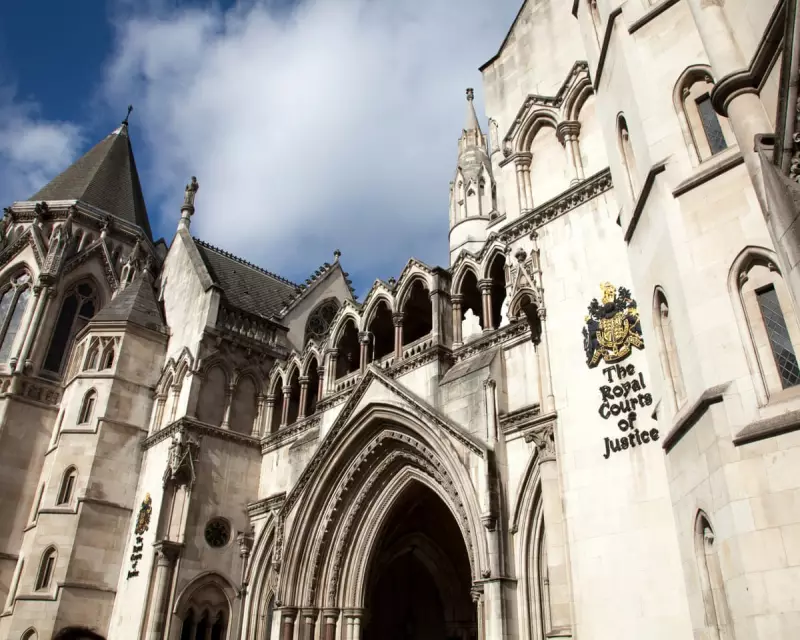
UK High Court Orders UAE to Pay £260,000 to Trafficking Victim Exploited by Diplomat in London
In a landmark legal decision, the United Arab Emirates has been ordered by the UK High Court to pay more than £260,000 to a victim of human trafficking who was exploited by one of its diplomats in London. This ruling represents the first time a foreign state has been held liable for domestic servitude committed by its envoy on British soil, setting a significant precedent in international law and human rights enforcement.
Unprecedented Case of Diplomatic Exploitation
Legal representatives for the woman emphasised the unprecedented nature of this judgment, highlighting that courts have never before compelled a foreign government to provide compensation for such abuses perpetrated by a diplomat within the United Kingdom. The case centres on a 35-year-old woman of Filipino heritage who began employment with Salem Mohammed Sultan Aljaberi, a UAE diplomat, and his family in 2012 while they resided in the UAE.
In February 2013, she was brought to London with the family, where what Mr Justice Lavender described as a "case of modern slavery" unfolded. She was confined to their home for 89 consecutive days before managing to escape when the family inadvertently left a door unlocked. Throughout this period, she was prohibited from leaving the flat unaccompanied and was regularly locked inside when the family was absent.
Severe Conditions and Systematic Abuse
The court heard detailed evidence of the exploitative conditions endured by the victim. Judicial calculations determined she worked an average exceeding 17 hours daily, tasked with childcare and extensive domestic duties without any rest days, lunch breaks, or time off. Her treatment included inadequate nutrition and sustained verbal abuse and threats from the family.
Further restrictions imposed upon her included the confiscation of her passport, denial of internet access within the flat, and failure to provide a UK SIM card during her initial months in the country. Isolated without family, friends, or any support network in the UK, she received only £400 for twelve weeks of labour in London—a sum drastically below the contemporary minimum wage.
Legal Recognition and Compensation Award
The Home Office formally recognised her as a victim of human trafficking in November 2014, and she was granted leave to remain in the UK by December 2015. The UAE government did not participate in the court proceedings. Ultimately, the High Court awarded her £262,292.76 in damages, covering false imprisonment, injury to feelings, and personal injury linked to a post-traumatic stress disorder diagnosis resulting from her ordeal.
Medical evidence presented to the court indicated that her experiences have left her unable to trust employers and living in persistent fear of encountering similar mistreatment if re-employed. In his ruling, Mr Justice Lavender specified that portions of the damages were "exemplary" and punitive rather than purely compensatory, justified by Mr Aljaberi's "cynical disregard for the claimant’s rights" and exploitation for financial gain.
Broader Implications for Diplomatic Accountability
Zubier Yazdani, the victim's solicitor from Deighton Pierce Glynn, welcomed the decision, stating it "goes some way to providing accountability for the harm that my client suffered." He added, "Domestic workers in diplomatic households have been vulnerable to abuse for too long. Sending states should share responsibility where their diplomats exploit domestic workers."
This case underscores ongoing vulnerabilities within diplomatic arrangements and may influence future policies regarding the treatment of domestic staff by foreign officials in the UK. The UAE embassy was approached for comment regarding the ruling.