Former US President Donald Trump has provoked widespread condemnation with remarks suggesting NATO coalition forces in Afghanistan deliberately avoided frontline combat, a claim described as both factually inaccurate and deeply disrespectful to those who served and sacrificed.
A Gut Punch to Military Families
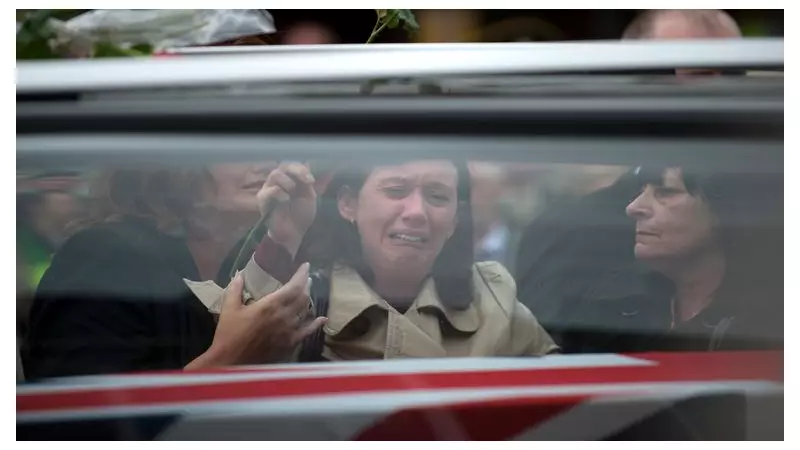
Trump's assertion that allied troops "stayed a little back; a little off the frontlines" has been characterised as a profound insult to the families of the 1,160 non-American coalition soldiers who lost their lives during the conflict. The comments extend beyond political debate, striking at the heart of military service and international solidarity.
For the thousands more who sustained life-changing injuries in Afghanistan, including many who suffered limb loss, and for veterans whose daily lives remain shadowed by their combat experiences, these words represent a painful dismissal of their sacrifice. The suggestion undermines the very foundation of the NATO alliance that saw numerous nations answer America's call for support following the 9/11 attacks.
Firsthand Experience Contradicts Claims
Eyewitness accounts from journalists embedded with coalition forces directly contradict Trump's characterisation of NATO's involvement. British and Danish soldiers in Helmand Province during 2007 were unequivocally engaged in frontline combat operations, facing intense fighting in notorious locations including Sangin, Musa Qala, Babaji and Nad Ali.
The Danish military suffered the highest per capita casualties of any NATO nation in Afghanistan, a stark statistic that underscores the reality of their frontline commitment. Britain's own sacrifice saw 457 service personnel killed, their repatriation through Wootton Bassett becoming a tragically familiar national spectacle.
Pattern of Provocation or Ignorance?
Political analysts question whether Trump's comments stem from genuine ignorance about military operations or represent calculated provocation, possibly compounded by what critics describe as a demonstrated lack of empathy. The remarks follow a pattern of statements that have strained international alliances, including recent tensions highlighted during Davos discussions.
Trump's own military service history, having avoided the Vietnam War draft on five occasions, adds further complexity to the controversy surrounding his commentary on others' combat service. The timing proves particularly sensitive as nations continue to process the legacy of America's sudden 2021 withdrawal from Afghanistan, which left NATO allies scrambling to evacuate personnel.
Enduring Impact on International Relations
The implications extend beyond immediate emotional responses, potentially affecting future coalition cooperation and trust between military partners. As debates continue about geopolitical realignment and America's role in international security frameworks, comments that diminish allied sacrifice risk causing lasting diplomatic damage.
For families who lost loved ones, for veterans living with physical and psychological wounds, and for nations that stood alongside America during its longest war, these remarks represent more than political rhetoric – they constitute a rejection of shared sacrifice that defined two decades of international military cooperation.