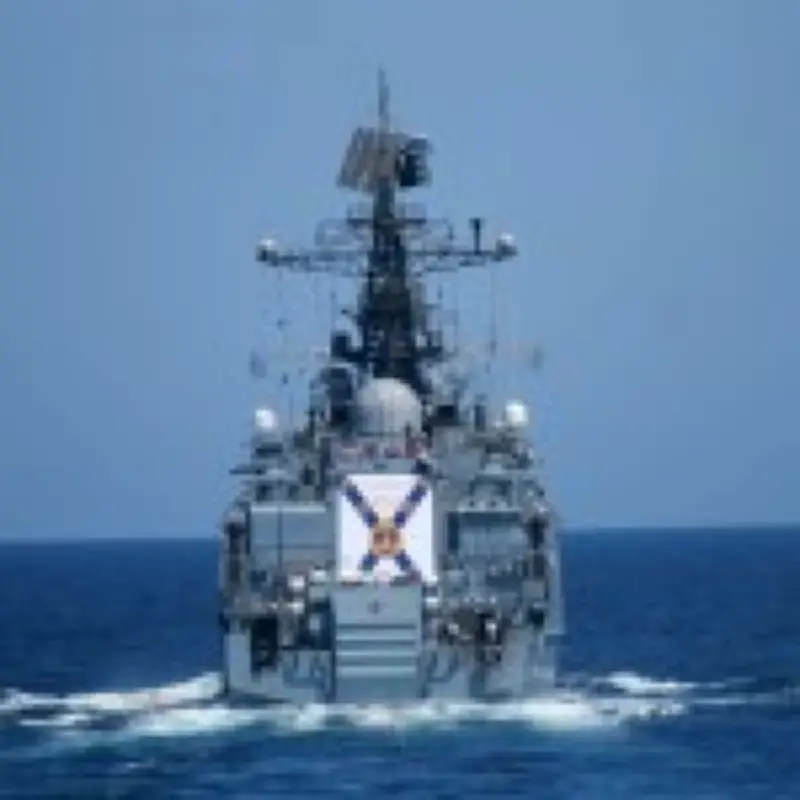
The Royal Navy has reported a significant increase in Russian naval activity in UK waters, with tracking operations surging by 25% in July compared to the same period last year. This escalation underscores growing tensions and the ongoing threat posed by Moscow's shadow fleet, which is used to circumvent international sanctions on oil exports.
Deployments and Monitoring Operations
Offshore patrol vessels HMS Tyne, HMS Mersey, and HMS Severn were deployed to monitor the Russian warships Neustrashimy and Admiral Grigorovich, which were escorting shadow fleet tankers through the Dover Strait and the North Sea throughout July. The shadow fleet, comprising around 700 ageing tankers, is a key mechanism for Russia to fund its war in Ukraine while evading Western sanctions.
On July 20, HMS Tyne also tracked the Neustrashimy during a live firing exercise conducted near British and French waters, highlighting the proximity of these operations to UK territory.
Nato Operations and Submarine Surveillance
In addition to these patrols, the frigate HMS Somerset and helicopters from the Navy's Fleet Air Arm have been actively monitoring Russian activity in the North Atlantic as part of a four-month Nato operation aimed at locating submarines in the region. Commander Matt Millyard, commanding officer of HMS Somerset, praised his crew's efforts, stating: "This deployment demonstrates exactly what the Royal Navy exists to do – protect the UK and our allies from wherever our interests are threatened."
He added: "I am immensely proud of every single member of the ship's company for what we have achieved over the past four months. It is fantastic to bring the ship home after a highly successful deployment and reunite with our families."
Seizure of Shadow Fleet Tanker
Earlier this year, in June, Royal Marines seized the Smyrtos tanker, a vessel linked to the shadow fleet. The ship's captain, Ajay Pant, was subsequently charged with allegedly breaching international sanctions on Russian oil transport, marking a firm enforcement action by British forces.
Annual Report Highlights Increased Activity
The Ministry of Defence's annual report, released last month, revealed that Royal Navy vessels had been "activated" 116 times in the year leading up to March 2026 to shadow 61 Russian warships and 28 merchant vessels. This represents a 30% increase in Russian naval activity compared to the previous two years, demonstrating a sustained and growing challenge.
The report also noted operations to deter the spy ship Yantar, which was spotted near undersea cables off the coast of Scotland in November 2025, underscoring concerns about potential sabotage of critical infrastructure.
Strategic Implications
The surge in Russian naval presence is part of a broader pattern of provocative actions, including recent incidents where Russia celebrated political changes in the UK by opening fire in the English Channel, as reported by other outlets. The Royal Navy's heightened vigilance and proactive monitoring reflect a commitment to safeguarding national security and upholding international law.
As the situation evolves, the UK and its Nato allies remain on high alert, balancing deterrence with diplomatic efforts to address the underlying causes of such aggression.