The Arrest of a National Hero: A Complex Moment for Australia and Afghanistan
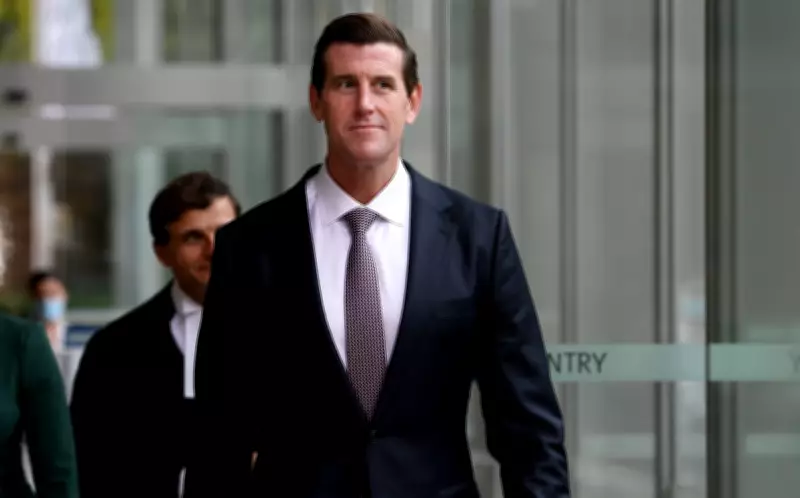
When Ben Roberts-Smith, Australia's most decorated living soldier, was arrested at Sydney airport last week on charges of war crime murder, it sent shockwaves through the nation. For many Afghans, however, the moment was layered with complex emotions—some saw it as a long-awaited step toward justice, while others felt it had arrived far too late to heal wounds that had festered for over a decade.
Voices from the Dusty Villages: Stories That Took Years to Surface
For years, allegations of unlawful killings by Australian SAS soldiers in Afghanistan remained confined to small, remote villages. These claims—shared between grieving families in hushed tones—rarely traveled beyond local communities due to language barriers, limited media access, and financial constraints. It was only through the persistence of journalists who chose to listen to ignored Afghans that these stories began to emerge in Australian headlines, long after soldiers had departed the country.
Shadi Khan Saif, an editor and journalist who has worked across Afghanistan and Australia, recalls translating interviews for an SBS program about alleged war crimes. "These were not abstract allegations," he notes. "They were deeply personal narratives of night raids, disappeared loved ones, and traumatized children—told with visible heartbreak by people living on the edge of poverty."
The Brereton Report: Confirmation Without Swift Resolution
The 2020 Brereton report finally confirmed what Afghan families had long asserted: there were credible allegations of unlawful killings by Australian forces. Yet, justice remained elusive, moving at a glacial pace that compounded the anguish of waiting victims. The adage 'justice delayed is justice denied' became a lived reality for these communities, as each passing year deepened their sense of abandonment.
One poignant moment from Saif's experience involved an Afghan man, exhausted under the scorching sun, who remarked during an interview: "These foreigners have messed up my brain since morning. I haven't even had tea or food, and they keep asking the same questions again and again." This frustration highlighted the emotional toll of repeatedly reliving trauma without assurance of change.
Mixed Reactions: A Step Forward or Too Little, Too Late?
Roberts-Smith's arrest on five counts of war crime murder related to three incidents has elicited divided responses among Afghans in Australia. Some view it as a crucial move toward accountability, while others argue that the decade-long delay has diminished its impact. In the context of the Afghan war, such prosecutions are exceptionally rare, making Australia's willingness to confront uncomfortable truths noteworthy, even if belated.
Nevertheless, the protracted wait has eroded trust in the justice system for many victims. This raises a profound question: Can justice ever truly reach those scarred by a brutal and distant conflict? War, often framed in sterile military terminology by distant decision-makers, obscures the human cost—making moments of accountability, however delayed, vital for affirming that actions have real consequences.
Beyond Punishment: The Power of Acknowledgment
For Afghan families, no legal outcome can restore lost lives or erase trauma. Yet, being heard, believed, and having their stories taken seriously holds immense significance. Justice, in this context, transcends mere punishment; it encompasses acknowledgment—ensuring that suffering is neither ignored, denied, nor forgotten. As Saif reflects, this process, however imperfect, represents a step toward honoring the truth of those who have long been silenced.