Nigerian Airstrike on Market Kills Up to 200 Civilians, Survivors Question Military Rationale
Survivors and observers are demanding answers after a devastating Nigerian air force airstrike on a busy market killed as many as 200 people, many of them civilians, in what the military has described as a precision attack targeting jihadist fighters.
Market Attack in North-East Nigeria
The airstrike hit Jilli market on the border of Borno and Yobe states in north-eastern Nigeria on Saturday, marking the latest in a series of attacks by the country's air force over the past decade that have resulted in high civilian death tolls. The military claimed it was targeting members of the Islamic State West Africa Province (Iswap) jihadist group, but local accounts tell a different story.
Lawan Zanna Nur Geidam, the area's local councillor and traditional leader, reported over 200 fatalities from the attack. "It's a very devastating incident at Jilli market. As I'm speaking to you, over 200 people have lost their lives from the airstrike at the market," he stated. Amnesty International placed the death toll above 100 and rising, while Yobe state officials later admitted civilians had been affected.
Military Justification and Civilian Accounts
In a statement on social media platform X, the Nigerian military claimed it had "successfully conducted a precision airstrike on a known terrorist enclave and logistics hub" near Jilli village following sustained intelligence. Military spokesperson Sani Uba asserted that post-strike assessment confirmed high accuracy and destruction of terrorist logistics, with "scores of terrorists neutralised."
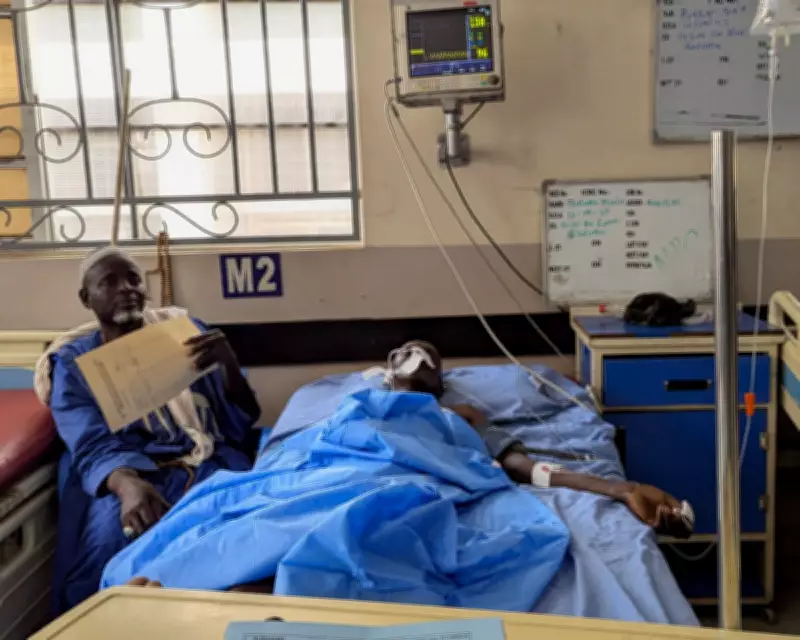
However, survivors at hospitals in Maiduguri and Damaturu contradicted this narrative. Mala Garba, a 42-year-old trader recovering from injuries, told Agence France-Presse: "I don't know if there were jihadists at the market. We are just ordinary people." He was among 46 victims receiving hospital treatment, with some heavily bandaged and others requiring IV drips.
Pattern of Civilian Casualties
This incident continues a troubling pattern of civilian deaths from Nigerian military airstrikes. According to the Associated Press, Nigeria's military has killed at least 500 civilians in airstrikes since 2017. Previous incidents include:
- At least 115 people killed in 2017 when a camp housing displaced people in Borno was bombed
- More than 120 people killed in two airstrikes on a religious gathering in Kaduna state in December 2023
Malik Samuel, a researcher with Good Governance Africa, noted that while the Jilli market area is known for Iswap presence and serves as a major logistics route for the group, distinguishing between fighters and civilians during a busy market day would be "impossible." He questioned the military's tactics, suggesting: "Would it not be better to trace people leaving the market and going to known areas occupied by this group ... instead of just hitting a market that you know clearly that there would be civilians in this place?"
Accountability Concerns and Broader Conflict
Isa Sanusi, Amnesty International Nigeria's executive director, expressed deep concern about accountability, stating: "You cannot trust the military to investigate themselves. Whenever they investigate themselves, the outcome is as usual: they exonerate themselves." He warned that such deadly airstrikes undermine trust in public institutions and could even weaken the fight against insurgency and banditry.
Nigeria continues to struggle with multiple conflicts, including:
- A 17-year insurgency in the north-east by Islamist group Boko Haram, which split in 2016 with Iswap forming in its place
- Armed bandit groups in the north-west region
- Regular fatal clashes between herders and farmers in the country's middle belt
The lack of accountability for civilian casualties remains a significant problem, with Samuel noting it emboldens the military to continue such operations. The incident occurs against a backdrop of international involvement, including US airstrikes on Islamist groups in Nigeria, though the US has previously accused Nigeria of failing to protect Christians from jihadists despite Muslim civilians also being killed by Islamist groups.