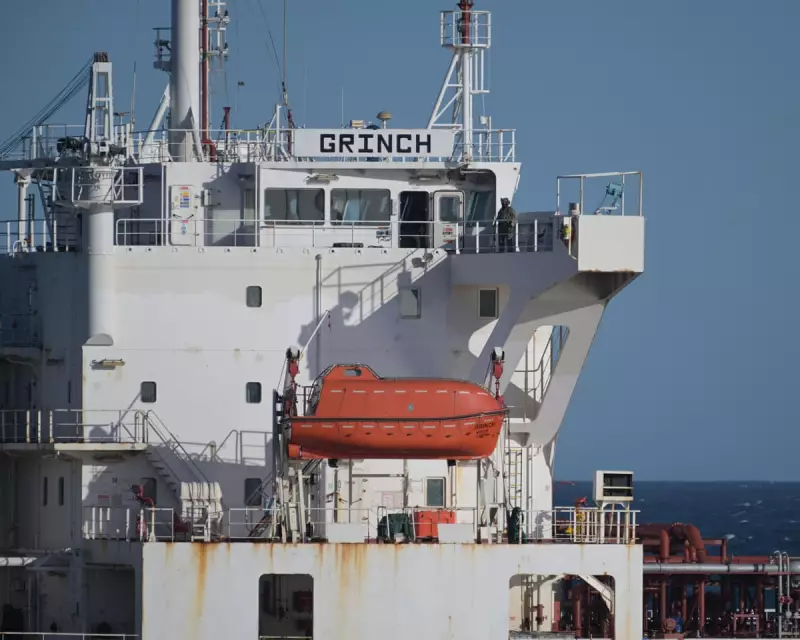
French Naval Forces Intercept Suspected Russian Sanctions-Busting Tanker
The French navy has conducted a high-seas interception operation in the Mediterranean, boarding and searching a Russian oil tanker suspected of operating as part of Moscow's so-called 'shadow fleet' that circumvents international sanctions. President Emmanuel Macron confirmed the military action, stating the vessel was "subject to international sanctions and suspected of flying a false flag."
Operation Details and International Cooperation
The interception occurred between the southern coast of Spain and northern Morocco in the western Mediterranean, with French authorities confirming the tanker named Grinch has been diverted to an anchorage point for further investigation. Macron emphasised that "the operation was carried out on the high seas in the Mediterranean, with the support of several of our allies," highlighting the collaborative nature of this enforcement action against sanctions evasion.
French maritime police revealed that boarding team examinations confirmed suspicions about the vessel's flag irregularities. The Mediterranean Maritime Prefecture stated: "After the team boarded, an examination of documents confirmed the doubts as to the regularity of the flag." The tanker was reportedly sailing from Murmansk in northern Russia under a Comoros flag at the time of interception.
The Growing Challenge of Russia's Shadow Fleet
This interception represents the latest in a series of actions by Western powers targeting Russia's elaborate network of oil transportation designed to bypass sanctions imposed following the invasion of Ukraine. The term 'shadow fleet' describes hundreds of ageing, unregulated tankers operating without proper insurance or documentation, frequently changing identities and flags to avoid detection.
According to maritime data analysis from Lloyd's List Intelligence, the global shadow fleet comprises 1,423 tankers, with 921 subject to US, British or European sanctions. These vessels typically transport discounted Russian oil to countries including India and China, generating crucial revenue that Macron stated "contributed to financing of Russia's war of aggression against Ukraine."
International Reactions and Previous Incidents
Ukrainian President Volodymyr Zelenskyy welcomed the French action, declaring such interceptions represent "exactly the kind of resolve needed" to disrupt Russian oil revenues funding the war. He questioned whether confiscating and selling oil from such vessels might provide additional deterrent measures.
The Russian embassy in Paris indicated it had not received notification about the interception and was attempting to determine whether any Russian citizens were among the crew to provide consular assistance. This incident follows previous similar actions, including France's detention of another sanctioned tanker, Boracay, off its west coast in October, which Russia condemned as "piracy."
Western Crackdown Intensifies
Washington and European allies have significantly increased efforts to disrupt the shadow fleet in recent months. In December, former US President Donald Trump imposed a naval blockade on sanctions-busting tankers near Venezuela, while last month US special forces conducted a helicopter boarding operation against another sanctioned vessel off Venezuela's coast.
Earlier this month, a Russian-registered tanker was stopped by the US Coast Guard between Iceland and Scotland, prompting Russia to dispatch naval assets including a submarine for escort protection. US officials have identified these vessels as part of a coordinated sanctions-evasion network involving Russia, Iran and Venezuela.
The European Union has implemented 19 sanction packages against Russia since the Ukraine invasion began, but Moscow has consistently adapted its oil export strategies, maintaining significant petroleum revenues through increasingly sophisticated evasion tactics that Western nations are now targeting through direct naval interventions.