
Essex Police Suspends Live Facial Recognition Deployment Following Bias Study
Essex Police has paused all operational use of live facial recognition (LFR) cameras after a comprehensive academic study revealed significant racial bias in the technology's identification rates. The decision comes as the government pushes to expand AI-powered surveillance tools across law enforcement agencies nationwide.
Cambridge Research Uncovers Disproportionate Identification Rates
Researchers from the University of Cambridge conducted extensive testing during one of Essex Police's LFR deployments, recruiting nearly 200 participants to evaluate the system's performance. The study found that while the technology correctly identified approximately half of individuals on police watchlists, it demonstrated troubling demographic disparities.
The research revealed the system was "statistically significantly more likely" to correctly identify black people compared to other ethnic groups. Additionally, the technology showed gender bias, being "more likely" to identify men than women. These findings prompted researchers to raise "questions about fairness that require continued monitoring."
Police Response and Algorithm Updates
Essex Police confirmed the pause in LFR deployments was directly related to concerns about "potential bias in the positive identification rate." The force commissioned two separate studies, with the Cambridge research indicating bias while a second study suggested no discrimination issues.
"We have revised our policies and procedures and are now confident that we can start deploying this important technology as part of policing operations to trace and arrest wanted criminals," stated Essex Police in an official announcement. The force worked closely with their algorithm software provider to update the system and conducted "further academic assessment" before declaring the technology ready for potential redeployment.
Surveillance Scale and Effectiveness Metrics
Between August 2024 and February 2025, Essex Police's LFR systems scanned approximately 1.3 million faces, resulting in 48 arrests—roughly one arrest for every 27,000 faces processed. Remarkably, the system produced only one mistaken intervention during this period, demonstrating high accuracy in avoiding false positives.
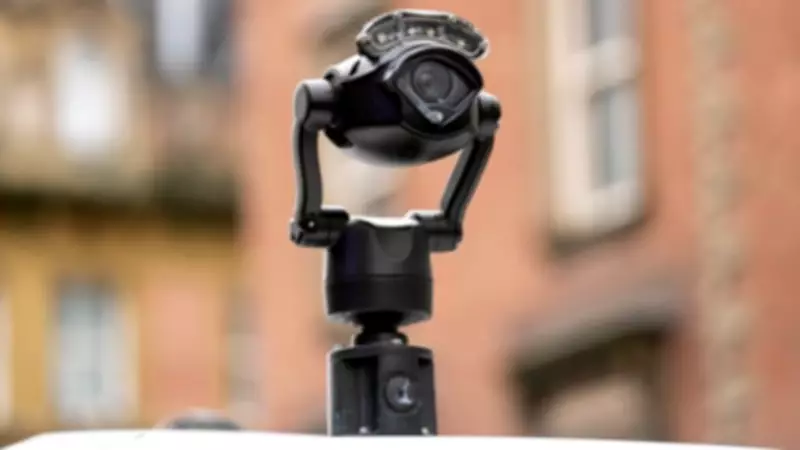
The technology operates through cameras mounted on police vans that cross-check faces against predetermined watchlists in real time. Thirteen police forces were utilizing LFR by the end of last year, with Home Secretary plans announced in January to increase the number of LFR vans from 10 to 50 nationwide.
Broader Privacy and Oversight Concerns
Beyond racial bias issues, privacy advocates and regulatory bodies continue to express concerns about the technology's broader implications. The Information Commissioner's Office (ICO) has been scrutinizing LFR systems, emphasizing that "all forces should also be conducting routine testing for bias and discriminatory outcomes—whether arising from technology design, training data, or watchlist composition."
The ICO warned that "without this, there is a real risk of unfairness" and stressed the importance of "proportionality, transparency and oversight" in determining when and how to deploy facial recognition technology.
Government Defense and National Implementation
The Home Office defended the technology's privacy safeguards, noting that images are "immediately and automatically" deleted if they don't match watchlist entries. All deployments are described as "targeted, intelligence-led, time-bound, and geographically limited."
According to government statistics, LFR technology facilitated the arrest of more than 1,300 individuals suspected of serious crimes—including rape, domestic abuse, and grievous bodily harm—in London alone between January 2024 and September 2025.
Researchers cautioned that different LFR systems and operational conditions could produce varying results, emphasizing the need for more comprehensive testing "to build a fuller understanding of the technology's performance" as national implementation expands.




