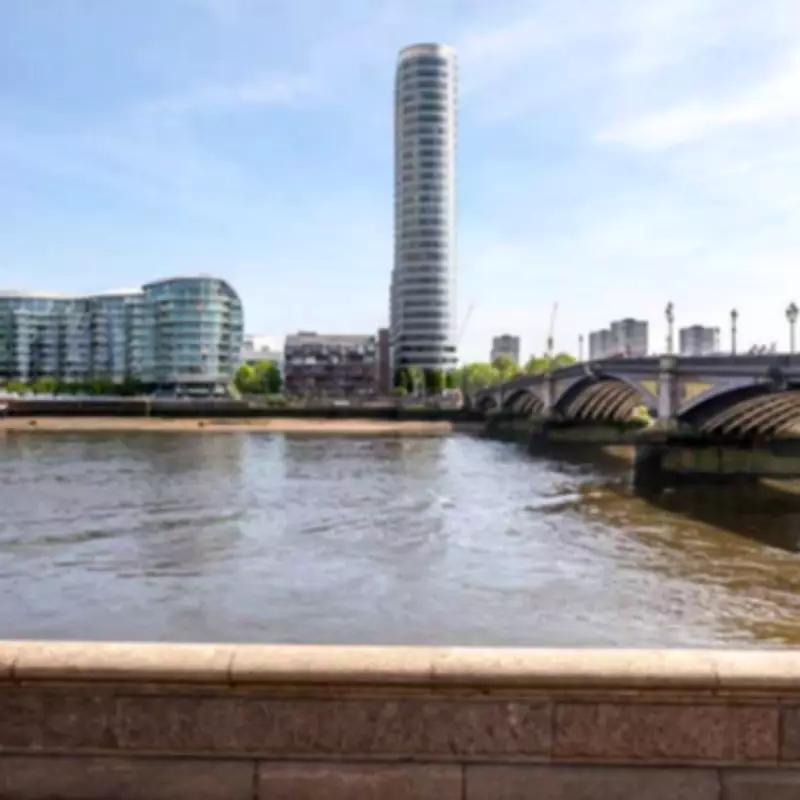
A developer has lost a controversial bid to build a 29-storey tower at the bottom of Battersea Bridge, a project that drew opposition from celebrities including Mick Jagger and Eric Clapton. Rockwell appealed to the Planning Inspectorate after Wandsworth Council rejected the 110-home scheme last year, citing failure to follow policy and meet local needs.
Inspector's Ruling
Inspector Joanna Gilbert dismissed Rockwell's appeal in a highly-anticipated decision following a seven-day public inquiry in March. She ruled that the tower would “appear alien and isolated” and would not adorn the London skyline. The inspector agreed that the proposal violated policy by being five times taller than the recommended building height of six storeys, or 18 metres, in the area.
Impact on Landmarks
The inspector stated that the tower would cause less than substantial harm to local historic bridges, parks, and conservation areas, including Battersea Bridge, Albert Bridge, Battersea Park, and Hyde Park. She noted that while the site is adjacent to a river and multiple bridges in a historic setting, the proposal was “not exemplary, extraordinary, remarkable or distinctive, just tall.”

Background of the Proposal
Rockwell originally proposed a 39-storey tower but later reduced it to 29 storeys, replacing the six-storey Glassmill office building. The application in 2024 included 110 flats, with 54 affordable homes at social rent (50 per cent by habitable room), workspace for small businesses, a restaurant, and a hub for local charities.
Opposition and Support
The scheme faced fierce opposition from residents and heritage groups. Rob McGibbon, editor of The Chelsea Citizen, launched a Change.org petition in 2024 that gained over 5,000 signatures and support from celebrities like Mick Jagger, Eric Clapton, Felicity Kendal, Anthea Turner, Harry Hill, and Lord Browne of Madingley. The application also drew 2,028 objections on the council's planning portal and 1,892 letters of support. Objectors raised concerns about the credibility of support letters, as many followed the same template and were uploaded in batches, though Rockwell argued this was standard industry practice.
Council and GLA Decisions
Wandsworth Council's planning committee rejected the scheme last April, with members stating the tower was too big for the constrained site, would spoil the skyline, and “devastate” neighbours' lives. The Greater London Authority (GLA) allowed the council's decision to stand the following month.
Inquiry Proceedings
At the public inquiry in March, Douglas Edwards KC, representing the council, argued that the height and scale of the development would substantially harm the character of its surroundings in Battersea and Chelsea. He stated that the proposal conflicted with Wandsworth's development plan, including the Local Plan and London Plan. William Walton, from the Royal Town Planning Institute, representing a consortium of local groups, described the building as “too large, too great a mass and too high for the site's footprint.”
Russell Harris KC, representing the developer, argued that the “elegant building of exemplary quality” would improve the character and appearance of the area. He stated that the site should accept optimised change and allow for a landmark tall building with much-needed affordable housing. He contended that Wandsworth's Local Plan was out of date and should not ban tall buildings in the area.
Final Decision
Inspector Gilbert acknowledged that the scheme would deliver benefits such as new market and affordable housing, a community facility, and offices. However, she gave “very substantial weight” to its negative impacts on the character and appearance of the area and its conflict with policy. Dismissing Rockwell's appeal, she ruled: “The proposal would be contrary to the development plan taken as a whole, and there are no material considerations that indicate that planning permission should otherwise be granted.”