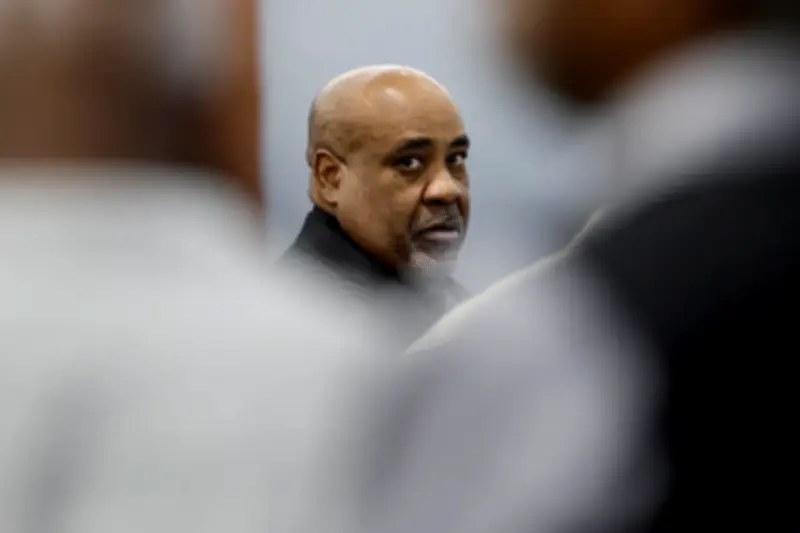
A Las Vegas jury has found Duane Keith Davis, the former leader of the South Side Compton Crips gang, guilty of the 1996 murder of Tupac Shakur, bringing the long-running case to a close nearly three decades after the rapper's death. The verdict, delivered on August 24, marks the end of a trial that saw 25 witnesses testify, including several who were compelled by the court due to their reluctance to appear.
Background of the case and the trial
Shakur, born in 1971 in East Harlem, New York, rose to fame in the early 1990s with a poetic style that served as sharp commentary on social injustice, including systemic racism, police brutality, and the struggles of marginalized communities. He was 25 years old when he died in a hospital days after being shot four times in a car near the Las Vegas Strip on September 7, 1996.
The trial, led by Clark County District Attorney Marc DiGiacomo and Chief Deputy District Attorney Binu Palal, relied heavily on statements Davis made in his 2019 memoir, Compton Street Legend, and eight hours of recordings from four separate events in different years where Davis recounted the night of the shooting. Davis, 63, was accused of instigating the deadly shooting, although he did not pull the trigger himself. He had spent years telling investigators and interviewers of his involvement before his arrest in 2023.
Key evidence and defense arguments
In his book, Davis claimed to have been in the white Cadillac that pulled up next to Shakur's car at a red light, and that he had brought a .40-caliber Glock. He wrote that the plan to retaliate against Shakur was hatched after the rapper's entourage beat his nephew, Orlando "Baby Lane" Anderson, in the lobby of the MGM Grand earlier that night. Anderson, a member of a rival gang in Compton, California, died two years later in an unrelated shootout. Shakur and Marion "Suge" Knight, the founder of his label, had attended a Mike Tyson boxing match at the casino when the altercation occurred and were on their way to an after-party.
Defense attorney Michael Sanft argued that Davis's stories and statements were exaggerated and embellished claims from a man hoping to benefit from public interest and unanswered questions around Shakur's murder. However, prosecutors played the recordings in which Davis shared his own account, and DiGiacomo noted during the trial, "Had he decided to never write the book, he would not, probably, have ever been prosecuted for the crime."
Impact and reactions
The verdict offers some resolution, even as family members and fans continue to mourn both the man and the years it took to bring details of his death to light. Zayd Akinyela, Shakur's cousin, told reporters outside the courtroom during the trial, "We've been waiting 30 years to grieve properly. A lot of people don't get to grieve until they understand what happened to their loved one and how it happened."
A 2015 Los Angeles Times review detailed police missteps, including the failure to investigate Anderson even after details of the conflict became known, and the decline to follow a lead from a member of Shakur's entourage who claimed he could identify the shooters. That witness died weeks later in a separate shooting. Investigators said the case was challenging due to a lack of physical evidence and strong resistance from potential witnesses, including other members of the rapper's entourage. Davis ultimately became the prosecution's lead witness, despite being the defendant, and his conviction closes a case that has long been a symbol of unresolved justice for many.