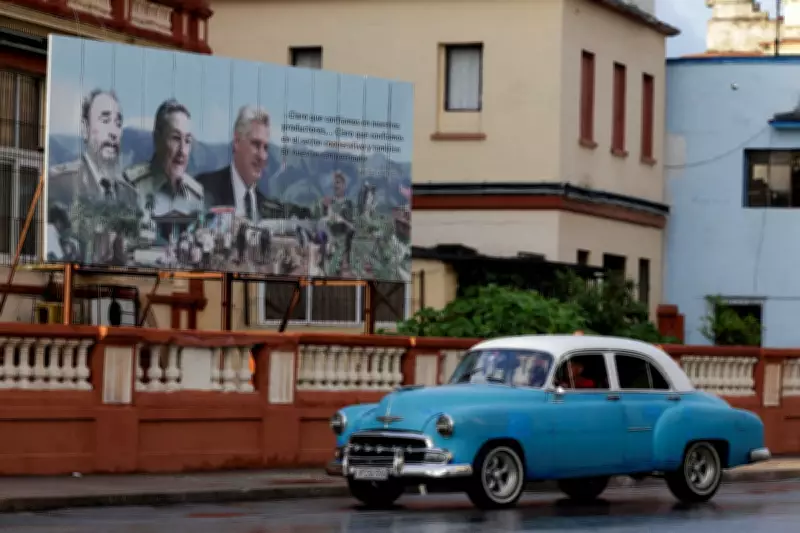
Cubans are outraged and fearful after the United States brought criminal charges against former Cuban President Raúl Castro, reigniting tensions over a 1996 incident. The indictment has sparked a new question in Havana: who is your neighbor? Living near senior Cuban officials now invites sympathetic concern, as military strikes are considered a serious possibility for the first time.
Anger and Fear in Havana
Many Cubans, who had previously lost faith in their government, now direct anger at Washington. A Havana teacher, considering attending a march against the indictment, said, "How dare they? It's despicable. Who are they to threaten us?" The charges stem from the 1996 shootdown of two unarmed Cessna planes belonging to the exile group Brothers to the Rescue, killing four people.
Background of the Incident
Thirty years ago, Cuban fighter jets shot down the planes in international airspace north of Havana. The group, originally founded to spot refugees, had turned to provocative flights over Cuba, dropping leaflets. Despite Cuban pleas, the US tolerated the flights until Cuba acted. "Fidel was trying to find a diplomatic solution," said former ambassador Carlos Alzugaray.
Today, the pressure on Cuba is far greater. The indictment follows weeks of surveillance aircraft, intelligence reports, and the arrival of the aircraft carrier Nimitz in the Caribbean. US Secretary of State Marco Rubio addressed Cubans, offering aid but blaming the government for blackouts and economic hardships.
- Rubio offered $100 million in aid, but terms remain unclear.
- US sanctions have driven non-US businesses from Cuba, including Spanish charter airline World2Fly.
- Reports suggest Canadian nickel miner Sherritt is in talks to hand over a controlling stake to a former Trump adviser.
Potential US Actions
Concerns mount that the US might attempt to abduct Castro, as it did with Venezuela's Nicolás Maduro. "How far do they want to go?" Alzugaray asked. "Are they really going to abduct a 94-year-old?"
One of the MiG pilots involved in the shootdown, Luis González-Pardo Rodríguez, arrived in the US in 2024 amid a wave of Cuban immigration. He was indicted alongside Castro. Manuel Barcia, a Cuban academic, said, "The indictments should happen in a post-Castro Cuba, for the Cuban people to decide."