
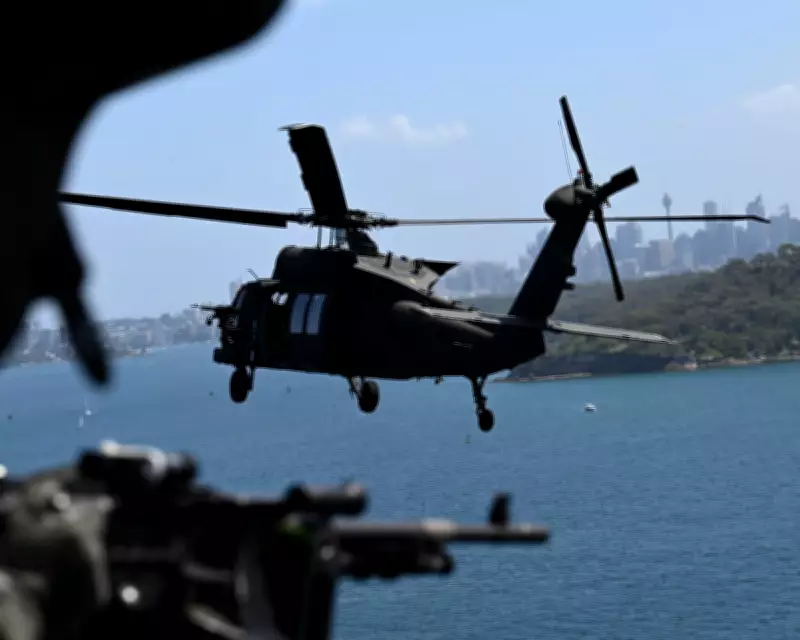
Australia Announces Major Defense Spending Increase Over Next Decade
In a significant move to bolster national security, the Australian government, led by Defense Minister Richard Marles, has revealed plans to boost defense spending by an additional $53 billion over the next ten years. This announcement, set to be formally unveiled on Thursday at the National Press Club in Canberra, marks a strategic shift in response to escalating global tensions.
New National Defense Strategy and Investment Program
The new national defense strategy, coupled with an integrated investment program, will see defense spending rise from the current trajectory of about 2.03% of GDP to approximately 2.3% to 2.4% by 2033. This represents a substantial increase, with an immediate boost of $14 billion over the next four years during the forward estimates period. Marles emphasized that the government intends to pursue "every avenue of increasing defense capability quickly," including innovative funding mechanisms.
Private Capital and Off-Budget Initiatives
A key feature of this strategy is the utilization of private capital to fund defense projects, described as "off-budget" spending programs. This approach aims to accelerate capability enhancements without solely relying on traditional budget allocations. For instance, a landmark upgrade of the Henderson defense precinct in Western Australia is expected to receive up to $25 billion in investments over the next decade, partly funded through private sector contributions to expedite Aukus preparedness. Labor had previously announced a $12 billion "downpayment" on this shipbuilding facility in September.
However, experts have raised concerns about this method, noting that it could potentially obscure the true costs of government programs and complicate transparency in defense financing.
Geopolitical Context and Strategic Shifts
Marles highlighted that Australia faces its most complex and threatening strategic environment since World War II, citing eroding international norms and increased global conflicts. He argued that long-standing assumptions, such as geographic isolation and military superiority in the Indo-Pacific, are no longer valid. The strategy addresses intensifying major-power competition, particularly between China and the United States, and rapid military modernization in the region.
As part of this overhaul, Labor will allocate between $2 billion and $5 billion more towards drones, prioritizing local manufacturing. This investment will bring total spending on uncrewed and autonomous capabilities to between $12 billion and $15 billion over the coming decade.
Comparison with International Demands
Despite this significant increase, the plan falls short of demands from former U.S. President Donald Trump, who has urged American allies to spend up to 3.5% of GDP on defense to reduce reliance on the United States. Australia's projected spending of 2.4% of GDP by 2033 remains below this threshold, reflecting ongoing debates about burden-sharing within alliances.
Broader Budget Implications
The defense spending boost is expected to be a key feature of the upcoming federal budget on 12 May, alongside other fiscal measures such as tax reform and efforts to curb growth in the National Disability Insurance Scheme (NDIS). The government aims to reduce NDIS spending growth from about 10.3% last year to between 5% and 6%, balancing priorities in a challenging economic landscape.
This comprehensive strategy underscores Australia's commitment to enhancing its defense posture in an increasingly volatile world, leveraging both public and private resources to secure national interests.




