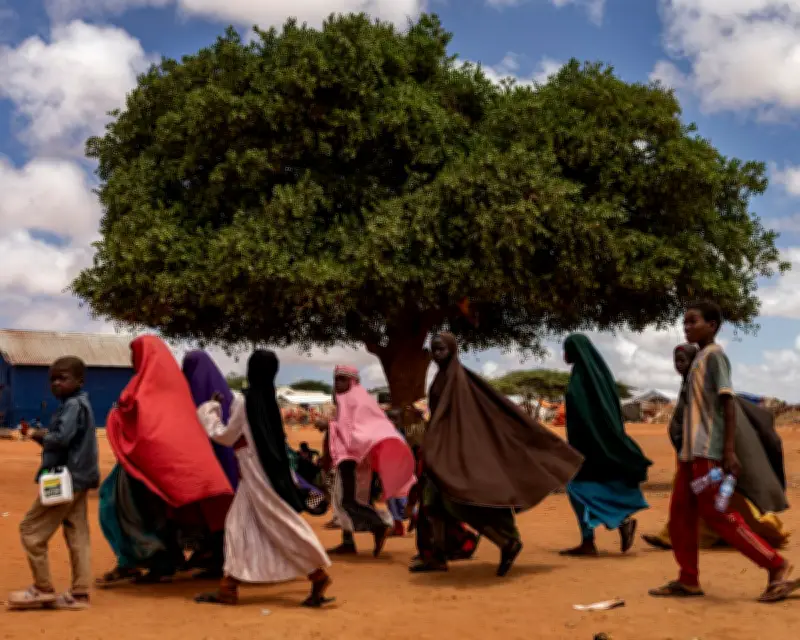
The UK government's decision to nearly halve bilateral aid to Somalia by 2029 will have devastating consequences for families already grappling with climate emergencies, according to Abdullahi Nur Osman, chief executive of the Hormuud Salaam Foundation.
UK aid cuts threaten Somali crisis response
Foreign Office figures show that the UK will reduce bilateral aid to Somalia by almost 50% over the next five years. This comes as forecasters warn that October rains could bring catastrophic flooding, displacing thousands. The World Meteorological Organization has flagged a heightened risk of extreme rainfall, striking communities still recovering from a severe drought that has left 6 million people facing high levels of acute food insecurity.
Humanitarian support essential for survival
Britain has long supported Somalia through its hardest years, and its ambition to use trade, investment, and private sector partnership to support Africa's development is welcome. However, channeling available funds into multilateral funders like the World Bank cannot happen at the expense of aid provision. Humanitarian support keeps families buying food, shops trading, and clinics open when crisis hits. Without it, each crisis will leave less for businesses and investors to build on.
According to Osman, aid and investment must go hand in hand. One helps countries weather the emergency ahead; the other helps build the strength to face the next. Britain cannot expect investment to succeed if it withdraws aid too soon.