
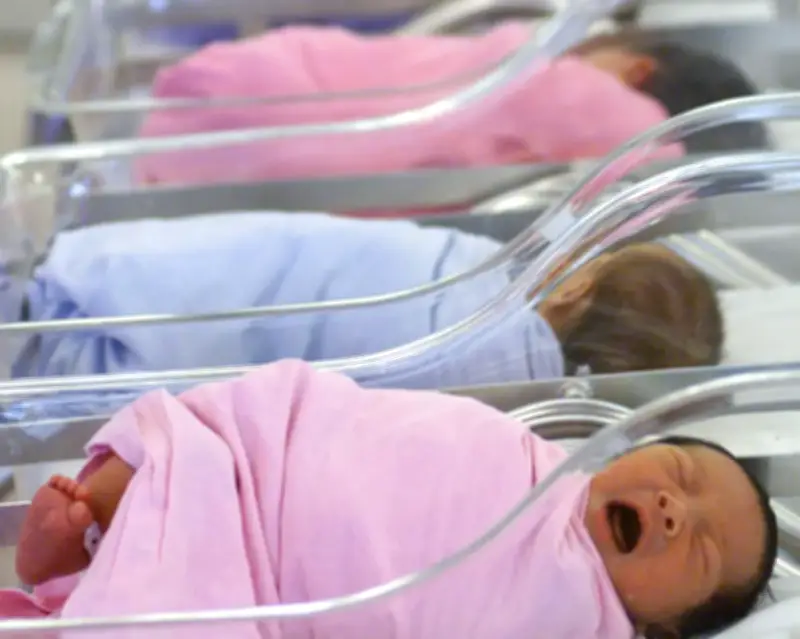
Singapore is offering couples a S$10,000 baby grant followed by additional financial support for medical expenses, education, childcare, and other needs until a child turns 17, as part of a sweeping package to address a record-low birthrate. The total direct financial support for each child amounts to nearly S$70,000 (US$55,048; £40,647), according to Prime Minister Lawrence Wong.
Financial package details and policy measures
The policy begins at birth with a S$10,000 baby grant, followed by two separate S$5,000 grants for medical and educational expenses. Additional provisions include S$2,000 in “child credits” from ages one to 16, lowering government-subsidised preschool fees to S$150 a month, and increasing parental leave entitlements.
In announcing the measures, Wong said: “Singapore’s future will only be as strong as the families that build it.” The package aims to encourage couples to have children amid a historically low fertility rate.
Record-low fertility rate and demographic challenges
Singapore’s total fertility rate for women of reproductive age has fallen to a record low of 0.87, far below the replacement level of 2.1. The city-state is part of a cluster of Asian countries with some of the world’s lowest birthrates, alongside South Korea and Taiwan.
The demographic trend poses a major economic challenge, as a smaller proportion of working adults will support a growing elderly population. Singapore is projected to reach “super-aged” status this year, defined by the UN as having more than 21% of its population aged 65 and above.
Mixed reception and lingering concerns
The prime minister’s measures have received a mixed reception. Some residents, like 27-year-old construction industry coordinator Iqbar Hisham, say the support offers hope. “These supports do encourage me to have children as soon as possible once I’m married,” Hisham said, noting in particular the help for childcare.
However, others remain hesitant. Finance worker Lee, 34, who lives with his wife and two cats in an east coast apartment, said they do not intend to have children. “We are happy with our lives right now, so adding a kid will kind of complicate that,” he said, citing giving up travel and restaurant outings.
Cost of living and social pressures
The cost of living in Singapore is “insanely high,” according to Hisham. Social pressures, including a highly competitive education system and demanding workplaces, also contribute to reluctance. Both parents often work, making childcare support essential.
Sociologist Teo You Yenn, author of Unease: Life in Singapore Families, told the Straits Times she was struck by how consumed Singaporean parents were with extracurricular study, starting as early as preschool. The pressure around academic results has fuelled a huge private tutoring industry.
In his speech, the prime minister acknowledged that many Singaporeans “worry about the future their children will inherit, and whether they are doing enough to help them succeed.”
Lee says financial support from the government isn’t everything. “I think there will be a large portion of time that me and my partner will need to take out in order to raise a child correctly,” he said. “That is something that we are not able to provide at the moment.”
Planning manager and mother of three Shu Rong Teo, 41, says having children has always been important for her. She managed to keep her job at the Singapore Chinese Orchestra with the support of a domestic helper and by living with her in-laws. “Our experience is a testament that it takes a village to raise a child – and that family support remains indispensable for working parents navigating the demands of parenthood.”
Teo welcomes the reforms, particularly increased childcare leave. “I used to have two days of childcare leave. Outside the two days, I had to take my annual leave to take care of my children, but with the new measures [my husband and I] have 12 days each. The biggest difference will be having more time.”




