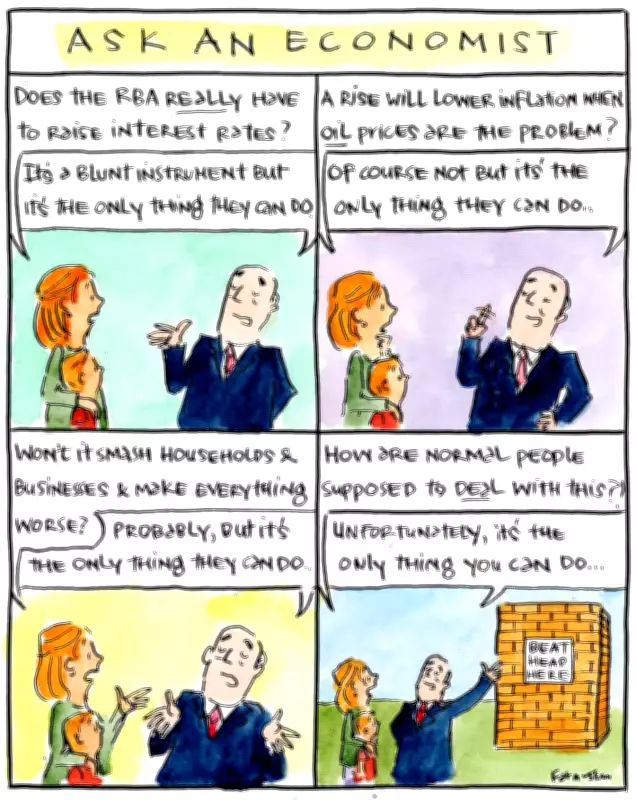
The Reserve Bank of Australia (RBA) is under mounting pressure to raise interest rates, but a growing number of economists are questioning whether such a move is truly necessary. With inflation showing signs of easing and the global economy facing headwinds, the case for a rate hike is far from clear-cut.
Economic Indicators Mixed
Recent data paints a complex picture. While inflation remains above the RBA's target band, it has moderated from its peak. At the same time, economic growth is slowing, and consumer confidence is fragile. The labor market, though still tight, is showing early signs of softening. These mixed signals make the decision to raise rates a delicate balancing act.
Global Uncertainties Loom
Internationally, the economic outlook is clouded by geopolitical tensions, trade disruptions, and uneven recovery in major economies. A rate hike in Australia could exacerbate these pressures, potentially dampening exports and investment. The RBA must weigh domestic inflation concerns against the risk of triggering a broader economic slowdown.

Housing Market Sensitivity
The Australian housing market is particularly sensitive to interest rate changes. Higher rates would increase mortgage repayments, squeezing household budgets and potentially triggering a downturn in property prices. This could have cascading effects on consumer spending and financial stability.
Some analysts argue that the RBA should hold fire and allow previous rate increases to work through the system. They point to the lag effect of monetary policy, suggesting that the full impact of past hikes has yet to be felt. Others contend that a preemptive move is needed to anchor inflation expectations.
Ultimately, the RBA faces a tough call. With conflicting data and significant risks on both sides, the decision to raise or hold rates will be closely watched by markets and households alike. The central bank must navigate these choppy waters with caution, ensuring that its actions support sustainable economic growth without fueling inflation.