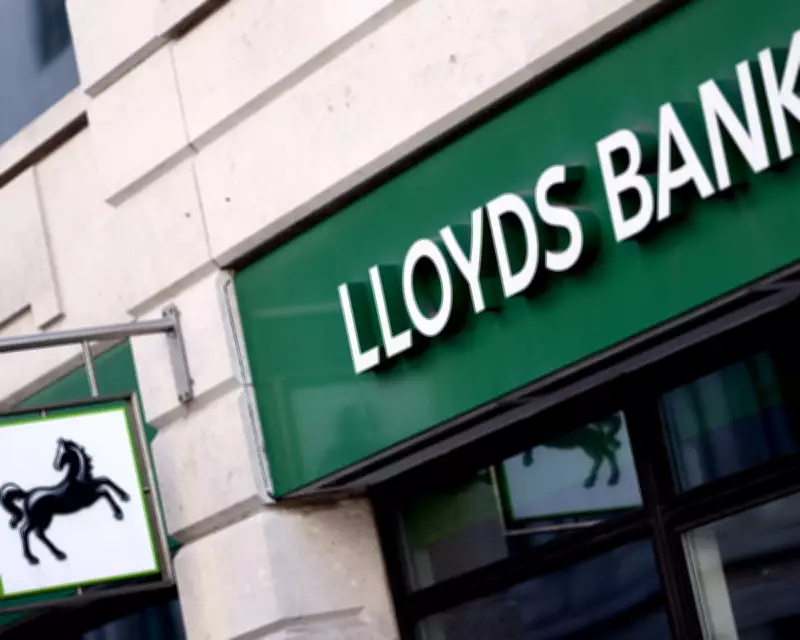
Lloyds Banking Group has reported a significant increase in pre-tax profits for the first quarter of the year, but cautioned that the ongoing conflict in the Middle East could result in a £151 million hit to its finances. The bank, which owns Lloyds Bank, Halifax, and Bank of Scotland, cited rising unemployment, inflation, and a slowdown in the housing market as key factors in its downbeat economic forecast.
Economic Outlook and Forecasts
The FTSE 100 group now expects UK gross domestic product (GDP) growth to be only 0.5% this year, lower than the International Monetary Fund's (IMF) forecast of 0.8% released earlier this month. This reflects what the bank describes as stagflationary consequences for both the UK and global economies, characterized by rising inflation coupled with slower economic growth.
Lloyds also predicts that the UK unemployment rate will increase to 5.6% by the second half of the year. This comes after the Office for National Statistics reported a 4.9% unemployment rate in February, but acknowledged that the rate is expected to climb due to the Iran war. Additionally, the bank forecasts that inflation will hit 3.9% by the end of the year, up from the current rate of 3.3%, driven by rising energy prices. The price of oil has surged past $114 per barrel.

Interest Rate Expectations
Despite market expectations of at least two interest rate hikes by the Bank of England's Monetary Policy Committee by year-end, Lloyds believes the central bank will hold the base rate at 3.75% for the rest of the year. The bank does not anticipate a rate cut until the third quarter of 2027.
William Chalmers, Lloyds' chief financial officer, stated: "This isn't a recessionary environment, to be clear. It is a slowdown in growth expectation since the beginning of the year due to the Middle East conflict. It is noticeable that the market is more aggressive in terms of expectations of interest rate increases. We are not expecting that as we expect the Bank of England will not need to. Much like the rest of the market, we are assuming a gradual de-escalation of hostilities over the course of the year. That is the backdrop for the economic assumptions we have made."
Financial Performance
Despite the economic headwinds, Lloyds reported pre-tax profits of £2 billion for the first quarter, a 33% increase compared to the same period last year. This figure exceeded analyst consensus of £1.84 billion. The group booked a total underlying impairment charge of £295 million for the quarter, down from £309 million in the same period last year, which included the impact of the global tariff war.
The banking industry has benefited from market turbulence caused by the Iran war, with Wall Street's largest lenders collectively earning nearly $50 billion (£37 billion) in profits during the first three months of the year. When questioned about whether banks were profiteering, Chalmers responded: "Banks have had many years of very low margins, of low profitability in the context of a low rate environment. The sector always expected a gradual increase in the profitability of banks when rates rise. That is the way the financial services industry works. However, the profitability of banks has lagged the rise in rates by quite a lot. And it does not stop attractively priced products [for consumers]."
Oil majors have also faced accusations of benefiting significantly from the conflict, after reporting soaring profits as oil prices increased.