IMF Sounds Alarm Over Global Debt Vulnerability Amid Middle East Conflict
The International Monetary Fund has issued a stark warning that escalating government debt levels worldwide have created a precarious situation where the ongoing Middle East war could trigger a catastrophic financial chain reaction. In its latest Financial Stability Report, the global financial body cautioned that excessive borrowing has left nations without sufficient fiscal resources to combat potential economic depression resulting from the regional conflict.
Bond Markets Already Showing Stress Signals
Developed economies are already experiencing significant bond market turbulence following military actions in the Middle East. Since initial strikes occurred in late February, bond prices have fallen dramatically while yields have surged. The United Kingdom's benchmark 10-year gilt yield has climbed more than half a percentage point, reaching its highest level since the 2008 global financial crisis.
Even traditionally stable U.S. Treasury securities have faced investor sell-offs, with 10-year Treasury yields rising approximately 0.4 percent before ceasefire negotiations were announced. This movement contradicts the typical safe-haven status these instruments hold during periods of financial uncertainty.

The Looming Threat of Debt Doom Loop
The IMF report highlights particular concern about what financial experts term the "sovereign-bank nexus" or debt doom loop. This dangerous scenario occurs when government debt crises spill over into commercial banking systems, restricting lending capacity and subsequently worsening the original sovereign debt problems.
"High debt levels and greater rollover risks in core sovereign bond markets could accelerate the rise in bond yields," the IMF paper stated. "Greater volatility in bond markets could tighten funding markets and revive the sovereign–bank nexus."
Compounding Factors and Short-Term Borrowing Risks
Governments have compounded their vulnerability by increasingly favoring short-term borrowing instruments, according to IMF researchers. This strategy leaves national treasuries more exposed to sudden changes in debt servicing costs when existing borrowing needs to be refinanced or rolled over.
The report emphasized that sky-high debt-to-GDP ratios in developed economies have created public finance systems that are highly susceptible to the kind of sharp market movements witnessed during the Middle East conflict. The potential for drastically higher oil prices to unleash another wave of inflation represents a particularly concerning threat that traders are already pricing into market expectations.
Government Debt Outweighs Private Credit Concerns
In a notable assessment, the IMF's biannual study determined that the risks posed by teetering bond markets to the global economy currently outweigh systemic threats from private credit downturns. While shadow banking and private credit markets have concerned financial regulators in recent months, the IMF researchers listed these as "less urgent" concerns compared to sovereign debt vulnerabilities.
The report acknowledged that problematic structures within private credit markets, such as retail and semiliquid funds, still represent a moderate market share. Additionally, substantial investments in artificial intelligence could potentially increase debt levels and interconnectedness within the financial system over time.
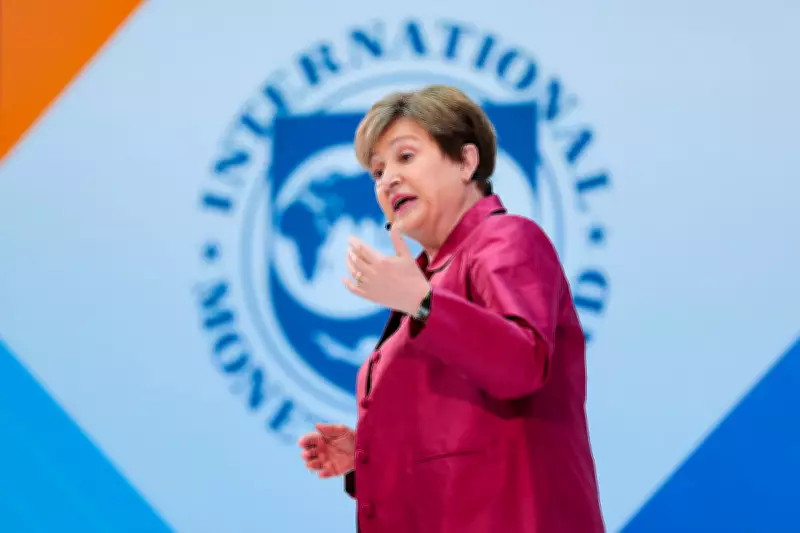
IMF Managing Director Kristalina Georgieva and her team have underscored that the combination of elevated government debt, Middle East conflict repercussions, and potential inflation resurgence creates a perfect storm for global financial stability. The warning comes as economic policymakers worldwide grapple with balancing fiscal responsibility against the need for economic stimulus in uncertain geopolitical times.