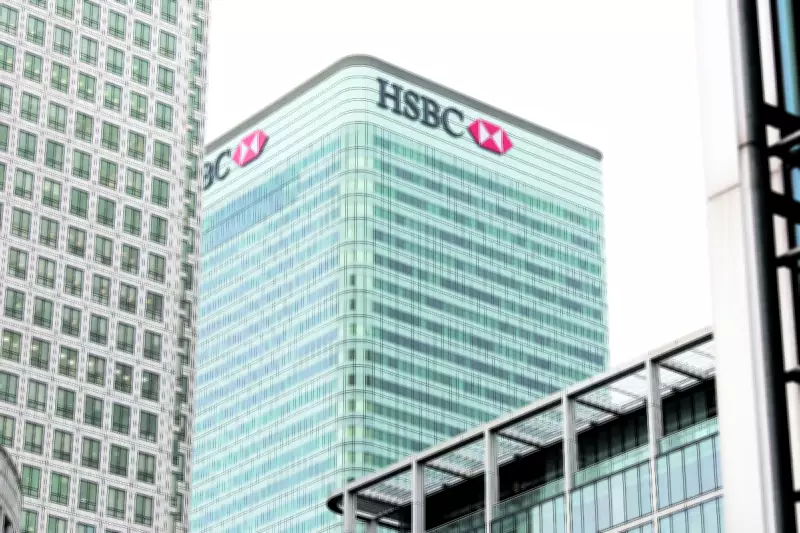
HSBC reported a first-quarter pre-tax profit of $9.4bn (£6.5bn) on Tuesday, missing analyst expectations of $9.6bn and down $100m from the same period last year. The FTSE 100 giant, which boasts a market cap of £230bn, saw revenue rise 6% to $18.6bn, driven by a strong performance in its wealth division.
Wealth Division and Net Interest Income
Net new money for the wealth arm reached $39bn in the quarter, with $34bn coming from Asia. HSBC's net interest margin stood at 1.6%, just a basis point higher than last year. The bank upgraded its net interest income target to around $46bn for 2026, from at least $45bn previously, amid inflationary fears stemming from the conflict in Iran, which has left central banks hesitant to cut interest rates.
Surge in Credit Charges
However, the growth was largely offset by a $1.3bn credit charge, a significant jump from the $400m recorded in the first quarter of 2025. Around $300m of the charge was attributed to the Middle East conflict. HSBC downgraded its 2026 credit charge forecast to 45 basis points of average gross loans, from 40 basis points, citing ongoing uncertainty in the outlook.

The bank also recorded a $400m fraud-related charge in the UK, without identifying the company involved. HSBC reported total exposure of $3bn to securitisation financing, which involves pooling contractual debt such as mortgages and loans and selling them as tradeable securities.
Trend Across Big Five Banks
The surge in provisions reflects a trend seen across London's top banking giants. The FTSE 100's Big Five—HSBC, Natwest, Standard Chartered, Lloyds, and Barclays—all increased loan loss provisions in the quarter due to market volatility.
Barclays set aside £823m for potential loan losses, up from £643m last year, with £228m driven by a UK fraud charge related to its exposure to MFS. Lloyds set aside £295m for sour loans, with £101m attributed to the deterioration in economic outlook from the Middle East conflict. Standard Chartered booked $296m in credit impairment charges, with $190m related to Iran war overlays.