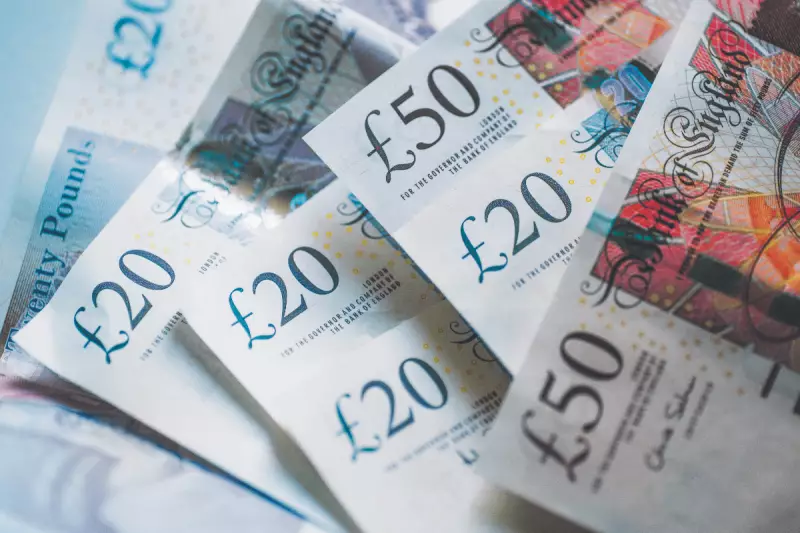
In a significant move to shift the nation's savings habits, Chancellor Rachel Reeves has announced a major reduction in the annual subscription limit for cash Individual Savings Accounts (ISAs). The change, set for April 2027, will see the cash ISA allowance for those under 65 drop from £20,000 to just £12,000 – its lowest level in over a decade.
The Chancellor's Push for Investment
Revealed in last week's budget, the policy is a direct attempt by the Treasury to encourage more Britons to invest. Chancellor Reeves pointed out that the UK lags behind its peers, stating, "The UK has some of the lowest levels of retail investment in the G7." She illustrated the potential gains by highlighting that someone who invested £1,000 annually in a stocks and shares ISA since 1999 would now be £50,000 better off than if they had chosen cash.
The remaining £8,000 of the overall £20,000 annual ISA allowance will now be "exclusively for investment" into products like stocks and shares ISAs. The Chancellor noted that over 50% of the ISA market supports this rebalancing, following lobbying from investment platforms who had pushed for an even steeper cut.

Why the Cash ISA Isn't Dead
Despite the reduced limit, financial experts stress that the cash ISA retains a crucial role. It remains the most tax-efficient vehicle for holding cash savings, shielding interest from both income tax and capital gains tax. For a diversified, lower-risk portfolio, a cash ISA is still a valuable component.
The history of ISAs shows a gradual shift in saver behaviour. Launched to replace PEPs and TESSAs, £28.4bn was paid into 9.3 million adult ISAs in their first year. By the 2023/24 tax year, this soared to £103bn across 15 million accounts. While cash ISAs once made up around 80% of subscriptions in 2008/09, that proportion had fallen to approximately 66% by 2023/24.
Key Considerations for Savers
Savers now have several important factors to weigh. Firstly, the overall annual ISA allowance remains at £20,000. It's worth noting that the average subscription per account in 2023/24 was just under £7,000, suggesting many savers operate well below the current maximum.
Secondly, there is no immediate panic. The changes announced last Wednesday will not apply until April 2027. This gives savers multiple tax years to plan and utilise the current, higher limits. Transparency and sound financial advice are emphasised as essential for navigating these changes, whatever a saver's ultimate goal.
Opponents of the move, including some building societies, have warned it could impact mortgage rates, as they often use cash ISA deposits to fund home loans. However, the government's focus is firmly on stimulating investment to grow both personal wealth and the wider UK economy, drawing a contrast with the higher investment participation rates seen in countries like the United States.