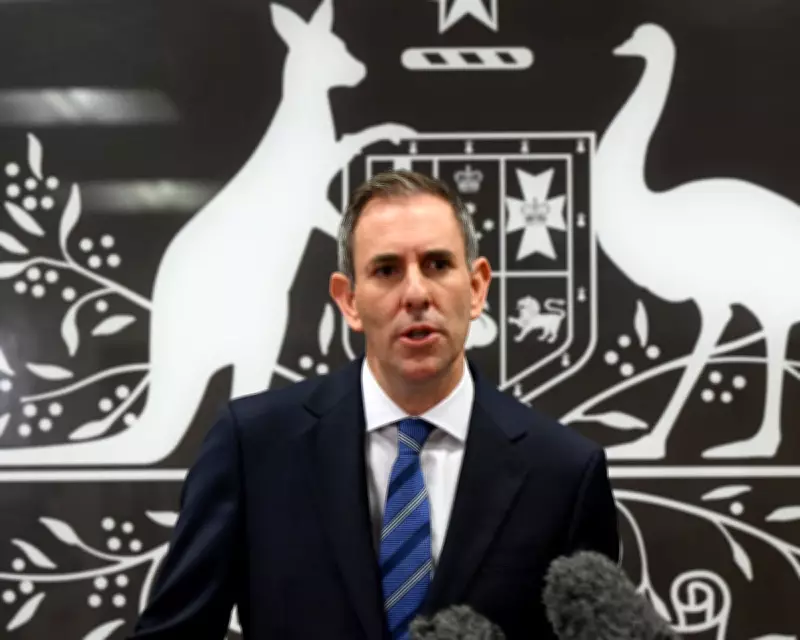
The Australian federal budget has unveiled significant changes to capital gains tax (CGT) that will directly impact existing property investors. The new measures are designed to cool the overheated housing market and encourage more supply.
Key Changes to Capital Gains Tax
The budget proposes reducing the CGT discount for properties held longer than 12 months from 50% to 25% for existing investors. This change is expected to generate substantial revenue for the government while discouraging speculative property investment. Current homeowners selling their primary residence will remain exempt.
Impact on Investors
Property investors who have held assets for years will face a higher tax bill upon sale. Industry analysts predict this could lead to a wave of selling as investors rush to avoid the new rules, potentially increasing housing supply. However, some warn it may also deter new investment in rental properties, exacerbating rental shortages.

Government Rationale
Treasurer Jim Chalmers stated that the changes aim to “rebalance the housing market” and make home ownership more accessible for first-time buyers. The government estimates the measure will raise $3 billion over four years, which will be directed toward affordable housing initiatives.
Reactions from Stakeholders
Real estate groups have criticized the move, arguing it unfairly penalizes small investors who rely on property for retirement savings. The Property Council of Australia warned that reducing investor activity could worsen the rental crisis. In contrast, housing advocates welcomed the changes, calling them a necessary step to curb excessive speculation.
Market Outlook
Economists are divided on the long-term effects. Some predict a short-term dip in property prices as investors exit, while others believe the market will stabilize as new supply enters. The budget also includes measures to boost social housing and streamline planning approvals.
Investors are advised to consult financial planners to assess their exposure. The changes are expected to take effect from July 1, subject to parliamentary approval.