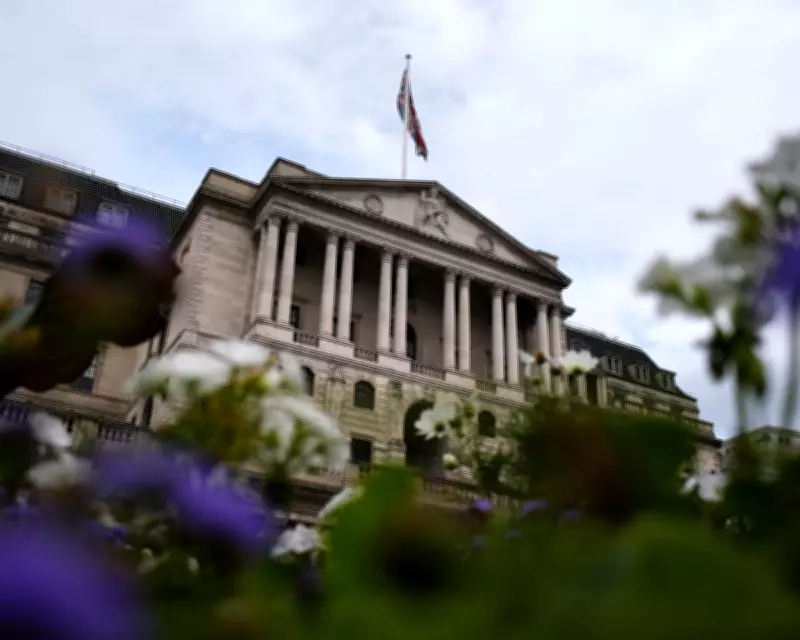
The Bank of England has kept interest rates unchanged at 4.5% as it assesses the economic fallout from the ongoing conflict in Iran. The decision, announced at noon on Thursday, was widely expected by financial markets, which had priced in a hold following recent geopolitical tensions and their impact on global energy prices.
Economic Context
The central bank’s Monetary Policy Committee (MPC) voted 7-2 to maintain the current rate, with two members calling for a 25 basis point cut. The BoE noted that the Iran war has introduced significant uncertainty, particularly regarding oil prices and supply chains, which could fuel inflation while also dampening economic growth.
In its statement, the MPC highlighted that inflation remains above the 2% target, but the risks to growth have intensified. The UK economy is facing headwinds from higher energy costs and disrupted trade routes, which could weigh on consumer spending and business investment.

Market Reactions
Following the announcement, the pound sterling weakened slightly against the US dollar, while gilt yields edged lower. Investors are now pricing in a potential rate cut later this year if the economic situation deteriorates further.
Analysts at Capital Economics noted that the BoE is in a difficult position, balancing the need to control inflation with supporting the economy. “The Iran war complicates the outlook significantly,” said Paul Dales, chief UK economist. “We expect rates to remain on hold for now, but a cut is possible if the conflict escalates.”
Global Impact
The Iran war has sent shockwaves through global financial markets, with oil prices surging to multi-year highs. Central banks worldwide are grappling with the dual threat of higher inflation and slower growth. The Federal Reserve and European Central Bank have also adopted cautious stances in recent weeks.
In the UK, the government has announced measures to mitigate the impact on households and businesses, including temporary fuel duty cuts and support for energy-intensive industries. However, the long-term effects of the conflict remain uncertain.
The BoE’s next policy meeting is scheduled for June, where it will have more data on the economic impact of the war. Until then, markets expect rates to remain steady as the central bank navigates these challenging times.