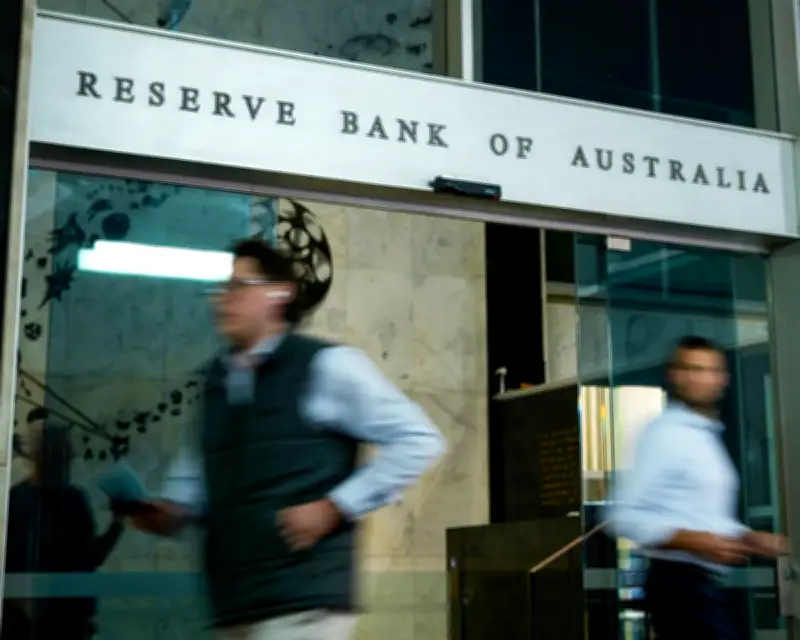
The likelihood of the Reserve Bank of Australia raising interest rates has plummeted after June inflation came in at 3.8%, lower than the expected 4.0% and down from May's 4.0%. Market expectations for a rate hike in August crashed to just 3%, down from nearly 50% earlier in July, according to data from the Australian Securities Exchange.
Inflation data douses rate rise speculation
The June consumer price index release ended any real prospect of a rate rise next month, despite investors having assumed the RBA would rather raise rates than not. Greg Jericho, a Guardian columnist and chief economist at the Australia Institute, noted that a 'good' number is inevitably dull news, whereas a bad number leads to gnashing of teeth and wailing over interest rates.
Earlier in July, unemployment figures showed the jobless rate notionally steady at 4.4%, but after rounding adjustments it actually rose from 3.37% to 3.43%. The underemployment rate rose from 6.3% to 6.5%, pushing the underutilisation rate—the total percentage of people in the labour force looking for a job or more hours—up sharply from 10.7% to 10.9%.

Market expectations swing wildly
Despite rising unemployment and underemployment, investors initially increased bets on a rate rise from 19% to 47% after June employment grew solidly. Jericho criticised this reaction, stating, 'Seriously what are we doing here?' He attributed the market's response to the perception that the RBA is desperate to raise rates again, looking for any signs to act to lower inflation. However, by Tuesday after the inflation data, the likelihood of a rate rise had fallen back to 19%, and then to 3% after the CPI release.
The biggest driver of the monthly inflation drop was petrol prices, which fell nearly 11% in June as oil prices declined amid hopes of a resolution to the Iran conflict. However, in July, petrol prices are expected to increase about 5%-6% due to higher oil prices and the reduction in the government's fuel excise cut.
Electricity and food prices tell a mixed story
The biggest cause of inflation over the past year was electricity prices, but this is purely due to federal and state energy subsidies still being in place a year ago. The impact of these subsidies will largely exit the figures in July's numbers, which should lead to a lower overall inflation figure—especially as a full half a percentage point of the 3.8% is due to the electricity price jump.
The numbers also highlight how people's experience of the cost-of-living crisis may not match official inflation numbers. In the past year, the cost of lamb rose 15%, beef was up 12%, and tea and coffee prices rose 5.1%. Telling someone whose most regular interaction with prices is groceries that inflation is slowing to 3.8% would likely trigger a puzzled look. However, the CPI is weighted to reflect average household spending, and items like motor vehicles (price increase less than 3.8%) and eggs (down 5.4%) pull the average down.
Outlook: No August rate rise, but future remains uncertain
For now, the market sees no rate rise next month, but the prospect of one later remains. The inflation figures have put off the expectation of another rate rise until early next year, rather than in November. However, Jericho warns that the rise continues to loom as we return to the 'ghoulish practice' of looking for any excuse the RBA might find to raise the cash rate. The inflation figures do not count the cost of home loan repayments, which have risen in recent months; those are included in the cost-of-living figures due out next week.