
The United States is awaiting a response from Iran regarding proposals for an interim ceasefire deal, as clashes continue in and around the strategically vital Strait of Hormuz. US Secretary of State Marco Rubio stated on Friday that Washington expects Tehran's reply, expressing hope for a serious offer that could lead to meaningful negotiations.
Renewed Fighting Amid Diplomatic Efforts
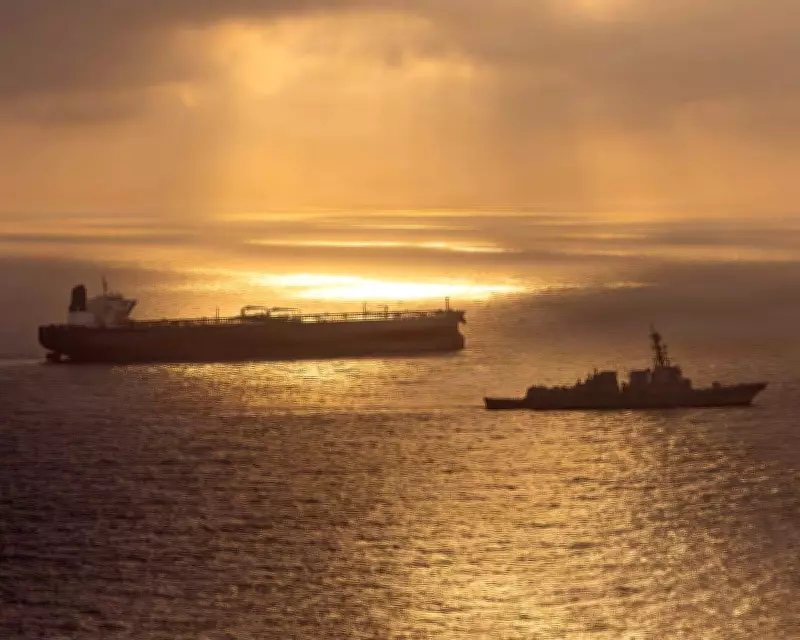
Recent days have seen the most significant flare-ups in fighting since the informal truce began last month. The violence escalated after former President Donald Trump announced, then quickly paused, a naval mission aimed at reopening the waterway. On Friday, US forces fired on and disabled two Iranian-flagged tankers attempting to violate the American blockade of Iran's ports, according to the US military.
Despite the clashes, diplomatic channels remain active. Pakistan, acting as a mediator, has passed a brief memorandum to Iran that the US says could serve as a basis for a more stable ceasefire and new talks. Trump told reporters he expected a response from Iran soon, adding, "We'll find out soon enough."
Iran Accuses US of Breaching Ceasefire
Iranian Foreign Minister Abbas Araghchi accused the US of breaking the ceasefire, posting on X that "every time a diplomatic solution is on the table, the U.S. opts for a reckless military adventure." He also claimed that Iran's ballistic missile stocks and launcher capacity had been repaired and expanded during the pause in hostilities.
Control of the Strait of Hormuz and the threat to restart attacks on Gulf oil infrastructure remain Iran's key bargaining chips. The US has imposed a blockade on all Iran-linked shipping leaving the Gulf to pressure Tehran.
Impact on Global Oil Markets
The closure of the strait, which normally carries a fifth of the world's oil and fossil gas supplies, has driven up fuel prices globally and threatens a worldwide recession. On Thursday, global stocks neared record highs as oil prices dropped steeply amid hopes of a partial agreement, but Brent crude prices rose again on Friday.
US Sanctions and Military Actions
The US Treasury announced new sanctions on individuals and companies accused of aiding Iran's war effort, including entities in China and Hong Kong. Meanwhile, US Central Command reported that Iranian forces launched missiles, drones, and small boats at three US warships overnight, but none were hit. US forces destroyed the incoming threats and retaliated against land bases in Iran.
The United Arab Emirates confirmed it responded to another Iranian missile barrage on Friday, with three people wounded after air defenses engaged two ballistic missiles and three drones. Iran has frequently targeted UAE civilian infrastructure during the war.
Prospects for a Deal
The US proposal is believed to offer a formal ceasefire for at least 60 days, leading to talks on contentious issues such as Iran's nuclear program. Trump warned that if no agreement is reached, Iran will face "a lot of pain." Analysts suggest Iranian leaders are divided on whether to engage in talks or hold out, with some favoring delaying negotiations until the US midterm elections.
Regional diplomats believe Iran could overplay its hand, as there is an opportunity to end the war and claim victory now. If no agreement is reached, Washington could unilaterally end the war and walk away, leaving Iran under suffocating economic sanctions.
Broader Regional Implications
Any US-Iran agreement could also help lower tensions in Lebanon, where a separate truce was threatened by an Israeli strike on a Hezbollah commander. The US announced it would mediate two days of intensive talks between Israel and Lebanon next week.




