
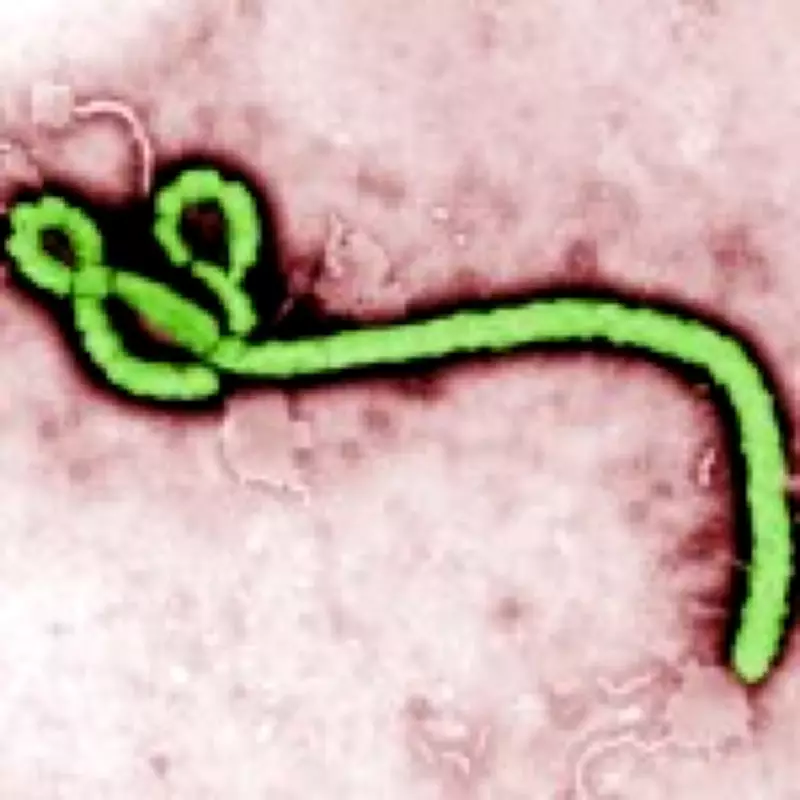
The World Health Organization has declared a public health emergency of international concern following an outbreak of a rare strain of Ebola in the Democratic Republic of Congo and Uganda. As of today, more than 300 suspected cases and 88 deaths have been reported, according to the WHO.
Emergency Declaration Details
In a post on social media platform X, the WHO clarified that the outbreak does not meet the criteria for a pandemic emergency similar to COVID-19 and advised against closing international borders. However, authorities confirmed that the current outbreak is caused by the Bundibugyo virus, a rare variant of Ebola for which no approved therapeutics or vaccines exist.
Although more than 20 Ebola outbreaks have occurred in Congo and Uganda, this marks only the third time the Bundibugyo virus has been reported. Officials first identified the spread in Congo's eastern province of Ituri, near Uganda and South Sudan, on Friday.
Case Numbers and Spread
On Saturday, the Africa Centres for Disease Control and Prevention reported 336 suspected cases and 87 deaths. Congo accounts for all but two of the cases, both reported in neighboring Uganda. Uganda confirmed one imported case from Congo, with the patient dying at a hospital in Kampala. The WHO reported a second case in Kampala as well. The two cases had no apparent links, and both patients had traveled from Congo.
History of the Bundibugyo Virus
The Bundibugyo virus was first detected in Uganda's Bundibugyo district during a 2007-2008 outbreak that infected 149 people and killed 37. This rare strain has now re-emerged, raising concerns due to the lack of specific medical countermeasures.
Understanding Ebola
Ebola virus disease is a rare but severe and often fatal illness in humans, with an average case fatality rate of around 50 percent. Rates have ranged from 25 to 90 percent in past outbreaks. The virus spreads through direct contact with bodily fluids of infected individuals or animals.
Transmission and Control
Infected individuals cannot spread the disease until symptoms appear. Effective outbreak control relies on case management, infection prevention, surveillance, contact tracing, safe burials, and community engagement. Early supportive care improves survival, but no licensed treatment neutralizes the virus, though several therapies are under development.
The WHO advises using gloves when dealing with infected persons and practicing safe sex to prevent transmission.




