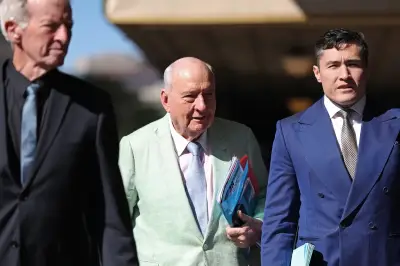
Tech entrepreneurs have mocked the government’s capital gains tax (CGT) changes by posting AI-generated photos of Prime Minister Anthony Albanese as their “new founder,” warning that increased taxes could push people away from working for new businesses or send startups overseas.
AI-Generated Protests
Jacques Greeff, founder of the communications app Kinso, posted AI images of the prime minister in the office with his staff, coding their product, and working with customers. “He’s having a great time with his new 47% equity,” Greeff joked. He warned that with the tax changes, the incentive to grow a business is greatly reduced while all the normal risks remain, making it harder to attract talented employees if their equity stake is less lucrative. “Australia should be encouraging young founders to build the next Canva. My fear is they don’t even attempt it now or, worse, they go overseas and build the next unicorn and Australia misses out entirely,” he said.
Julian Fayad, chief executive of LoanOptions.ai, posted AI images of Albanese sleeping in his company’s office and scrolling on his phone. He also warned of the impact on attracting workers and risk-taking. Fayad took part in a roundtable meeting in Sydney hosted by shadow treasurer Tim Wilson, where founders were critical of the government’s changes. “With the 47% CGT, the government’s message to founders like me is that if we succeed, they want nearly half of the hard-earned reward,” Fayad said. “When I look at what countries like Singapore and the UAE are doing to attract and retain founders; the incentives, the structures, the genuine support, and then look at what Canberra is doing, it’s hard not to feel abandoned and hindered.”

Alfie Robertson, founder of the video editing app Roll, posted AI images of Albanese in the gym, recording a podcast, and working on strategy. He also feared startups could look overseas. “The concern is not just about tax,” he said. “It’s about incentives. Policies like this shape where founders choose to build, invest and stay. If Australia wants to compete globally for talent and innovation, it should be rewarding people who take productive risks to build companies, create jobs and grow the economy, not reducing the incentive to do so.”
Government Response
Startups and entrepreneurs may yet receive a carve-out in the federal government’s planned changes to the CGT discount. Prime Minister Albanese said he wanted to support innovation, and Treasurer Jim Chalmers revealed that consultation was continuing with the sector. The CGT changes – replacing the 50% tax discount on profits with “cost-base indexation,” meaning tax on profits after inflation, and a minimum 30% tax rate – were strongly opposed by some tech founders. Early stage startup companies with little cashflow often offer employees equity or stock options in lieu of higher pay, while founders can be motivated by a large potential payday when they sell their companies. Both could be affected, the Tech Council of Australia warned.
Kate Cornick, CEO of the Tech Council, said: “There is work to do to ensure Australia’s startup community doesn’t become collateral damage as a result of proposed changes.” Tim Wilson, the shadow treasurer, warned of “founder flight” overseas. Janine Allis, cofounder of Boost Juice, also warned that winding back CGT discounts would discourage innovative businesses.
Asked about the backlash, Albanese said he supported the startup sector, pointing to a range of budget incentives for research and development and instant asset write-offs. Chalmers conceded that startups may have “a different kind of cost base” to other industries. “We had already been engaging with the tech sector, in particular, with the VC and startup sector to make sure that the changes accurately reflect the contribution that we seek from that really important part of the economy,” he said.
Cornick said the Tech Council welcomed the new R&D tax incentives and reforms to venture capital regulation, and was keen to continue consulting on the CGT.

Economist Perspectives
Economist Saul Eslake said there may be a case for more generous treatment for CGT specifically for new businesses starting from scratch, as they may be paying tax on all profits due to having no cost base to index. He backed the government’s moves to alter CGT for property and shares, and said it wasn’t unfair to expect startup founders to pay tax on business earnings but conceded some new businesses may need incentives to encourage innovation and risk-taking. “There are still pretty powerful incentives,” Eslake said. “If, instead of becoming a billionaire, you make $800m, is that less incentive?”
Another economist, Chris Richardson, warned that it would be a mistake to “bend” on the CGT. He said incentives including R&D tax offsets and the instant asset write-off were better than carve-outs for future profits to support early-stage businesses. Richardson also backed the broader move towards taxing income from assets and income from labour in a more equal way. “There’s a Warren Buffett quote: ‘You may run into someone with a terrific investment idea, who won’t go forward with it because of the tax he would owe when it succeeds. Send him my way. Let me unburden him.’”