Water Company Admits Guilt in Parasitic Outbreak That Sickened Hundreds
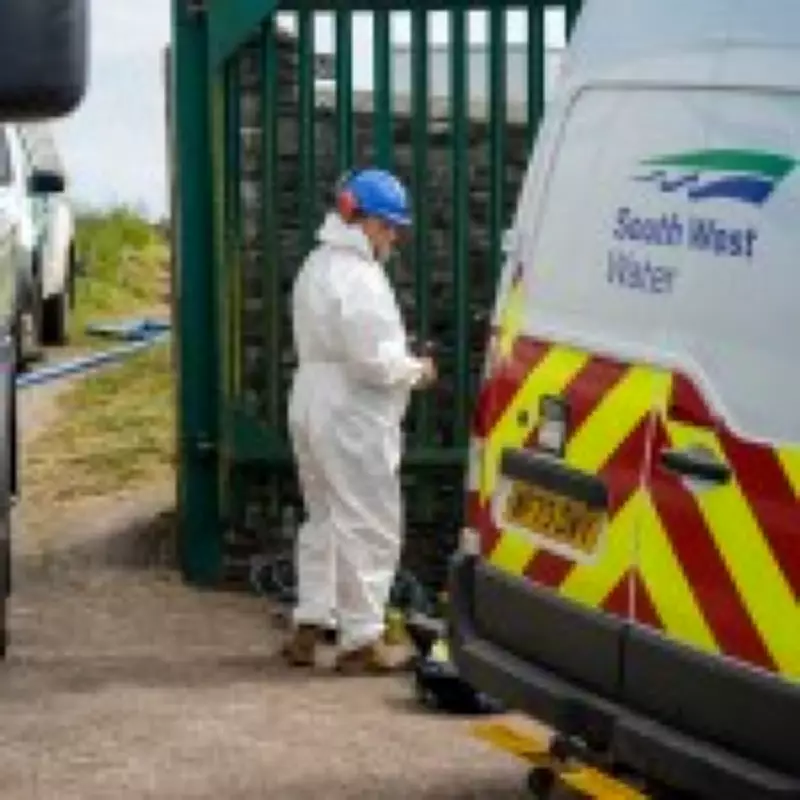
South West Water Ltd has formally pleaded guilty to supplying water unfit for human consumption, following a parasitic outbreak in Devon that left hundreds ill and some hospitalized. The admission came during a hearing at Exeter Magistrates' Court, addressing the May 2024 incident involving cryptosporidium contamination.
Outbreak Details and Public Health Impact
The cryptosporidium parasite, known for causing severe sickness and diarrhoea, contaminated the water supply in the Brixham area. Approximately 17,000 households and businesses were issued a 'boil water' notice, which remained in effect for up to eight weeks for some residents. This directive required individuals to boil and cool tap water before consumption to mitigate health risks.
Howard Leithead, representing the Drinking Water Inspectorate (DWI), emphasized the severity of the case, noting it was 'high-profile or exceptionally sensitive' due to its broad geographical impact and the erosion of public confidence in the water supply. Complaints indicated that effects persisted long after the notices were lifted.
Legal Proceedings and Corporate Response
Prosecuted by the DWI, South West Water faces a fine, with sentencing scheduled for June 2 at Exeter Magistrates' Court. The firm's owner, Pennon, previously estimated costs related to the outbreak at nearly £40 million, covering contamination incidents and transformation programs.
During the hearing, Dominic Kay KC, representing South West Water, argued that the case was not overly complex and could be handled by a district judge in the magistrates' court. However, District Judge Stuart Smith rejected the prosecution's request to move the case to Crown Court, opting to retain jurisdiction.
Political and Public Reactions
Caroline Voaden, Liberal Democrat MP for South Devon, criticized the water industry's 'mismatch between rhetoric and action,' highlighting failures in customer protection. Water minister Emma Hardy condemned the incident as 'utterly unacceptable,' stressing the need for accountability for the affected communities.
This case underscores ongoing concerns about water safety and corporate responsibility in the UK, with calls for stricter oversight to prevent future outbreaks.