
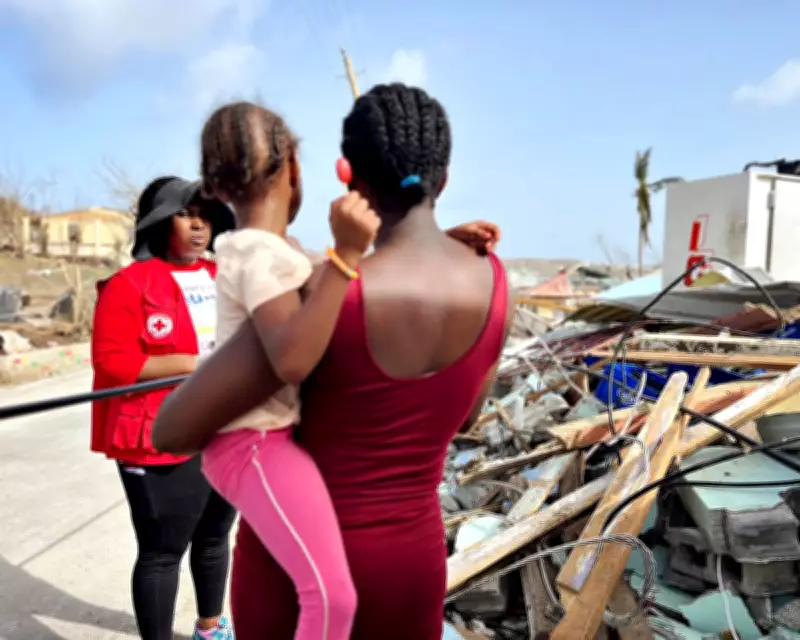
Natural Disasters Heighten Risks for Women in Emergency Situations
Recent studies and reports have highlighted a critical issue in global emergency response: women face significantly heightened risks during natural disasters. These events, such as earthquakes, floods, and hurricanes, exacerbate existing gender inequalities, leading to increased vulnerability for women in crisis situations.
Disproportionate Dangers Faced by Women
During natural disasters, women are more likely to experience violence, including domestic abuse and sexual assault, as social structures break down and emergency shelters become overcrowded. Research indicates that incidents of gender-based violence can spike by up to 30% in the aftermath of such events. This is compounded by the fact that women often have limited access to resources and decision-making roles in disaster planning and response.
Health risks are another major concern. Women may face barriers to accessing medical care, particularly reproductive and maternal health services, which are often disrupted during emergencies. Pregnant women and new mothers are especially vulnerable, with higher rates of complications and mortality reported in disaster-affected areas. Additionally, women frequently bear the burden of caregiving for children, the elderly, and the injured, increasing their exposure to stress and physical strain.
Urgent Need for Gender-Sensitive Emergency Planning
Experts emphasize that current emergency protocols often fail to account for the specific needs of women, leading to inadequate protection and support. There is a growing call for gender-sensitive approaches in disaster management, which include involving women in planning committees, ensuring safe and separate facilities in shelters, and providing targeted health services. Training emergency responders to recognize and address gender-based violence is also crucial.
International organizations and governments are being urged to integrate gender considerations into their disaster risk reduction strategies. This includes collecting sex-disaggregated data to better understand the impacts on women and allocating resources to support women-led community initiatives. By addressing these gaps, it is possible to mitigate the disproportionate effects of natural disasters on women and promote more equitable recovery efforts.
The evidence is clear: without proactive measures, natural disasters will continue to deepen gender disparities, putting women at greater risk. As climate change increases the frequency and intensity of such events, the urgency for inclusive emergency planning has never been more critical. Stakeholders must act now to ensure that women are protected and empowered in times of crisis.




