
Meningitis Outbreak at Canterbury Nightclub Claims Two Lives, Sparks Public Health Emergency
A deadly meningitis outbreak linked to Club Chemistry in Canterbury has resulted in the tragic deaths of two students and left 11 others hospitalized, triggering a large-scale public health response across Kent. Health officials are urgently tracing thousands of potential contacts to administer preventive antibiotics in an effort to contain the spread of the infection.
Nightclub Identified as Outbreak Epicenter
The outbreak is believed to have originated at Club Chemistry nearly two weeks ago, with health officials identifying March 5, 6, and 7 as critical dates when more than 2,000 people visited the venue. Louise Jones-Roberts, owner of Club Chemistry, confirmed that a staff member has tested positive for meningitis and is responding well to treatment. Two other suspected cases among staff have since been cleared of the infection.
"I'm devastated for the families affected. It's so incredibly sad," Jones-Roberts stated. "I just really hope people know the symptoms and no more lives are lost." The nightclub will remain closed indefinitely, with Jones-Roberts emphasizing that "it is not a hard decision to close – we are talking about people's lives."
Tragic Loss of Young Lives
The outbreak has claimed the life of Juliette, a Year 13 pupil from Faversham, and a student at the University of Kent. Juliette's father told the BBC that the family is "beyond devastated and they have no words to express their loss."
Amelia McIlroy, headteacher of Queen Elizabeth's Grammar School in Faversham, paid tribute to Juliette, describing her as "a lovely girl – her beautiful smile, her loving nature and her sense of fun will be hugely missed." She added that Juliette "embraced everything that school had to offer with great enthusiasm and joy and her humour and positivity were captivating."
Public Health Response and Vaccination Concerns
The UK Health Security Agency (UKHSA) is leading the investigation into the outbreak, with some cases confirmed as meningitis B. Dr. Gayatri Amirthalingam, deputy director of the immunisation and vaccine preventable diseases division at UKHSA, defended the agency's response timeline, stating that local teams acted "very, very quickly" to identify links between cases within 24 hours.
However, the outbreak has raised significant concerns about vaccination coverage. The majority of young people born before 2015 are not protected against meningitis B unless they received the vaccine privately, as it was only introduced on the NHS for babies in 2015.
Helen Whately, Conservative MP for Faversham and Mid Kent and former health minister, has called for the government to consider a "catch-up" vaccination campaign for young people. "One of the things that the Government and UKHSA will need to look at is if there is now a greater risk around this outbreak," she told Times Radio.
Widespread Impact on Educational Institutions
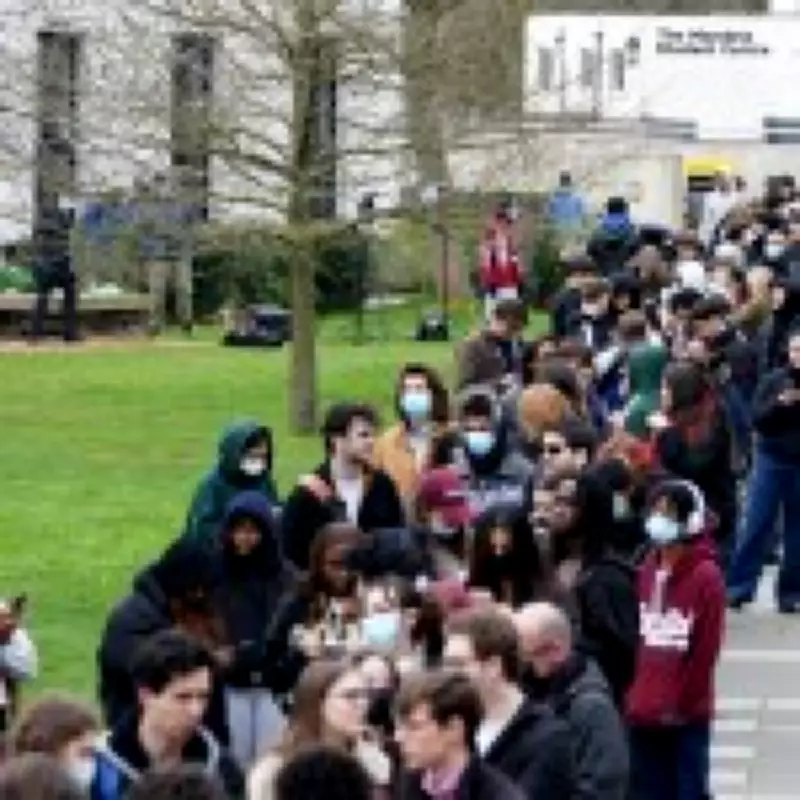
The outbreak has significantly affected multiple educational institutions across Kent. The UKHSA has issued advice to 16,000 staff and students at the University of Kent, where antibiotics are being offered to those who need them. The university has canceled all in-person assessments and exams for this week.
Additional cases have been confirmed at Simon Langton Grammar School for Boys and Norton Knatchbull School in Ashford, where Year 13 students have been hospitalized with meningitis.
Antibiotic Distribution Points Established
Health authorities have established multiple locations where those who attended Club Chemistry can collect preventive antibiotics:
- The Gate Clinic at Kent and Canterbury Hospital
- Westgate Hall on Westgate Hall Road, Canterbury
- The Carey Building, Thanet Hub, Margate Northwood Road
- The Senate building at the University of Kent
Jones-Roberts reported that she has managed to contact approximately 90 out of 95 club staff members, all of whom have obtained antibiotics. She noted that affected individuals began showing symptoms on March 10, nearly a week after the identified exposure dates.
The UKHSA continues to investigate the specific strain involved in other cases, promising to release further information "when we have the full results." Meanwhile, the public health emergency serves as a stark reminder of meningitis's rapid transmission and potentially devastating consequences, particularly among unvaccinated young populations.




