
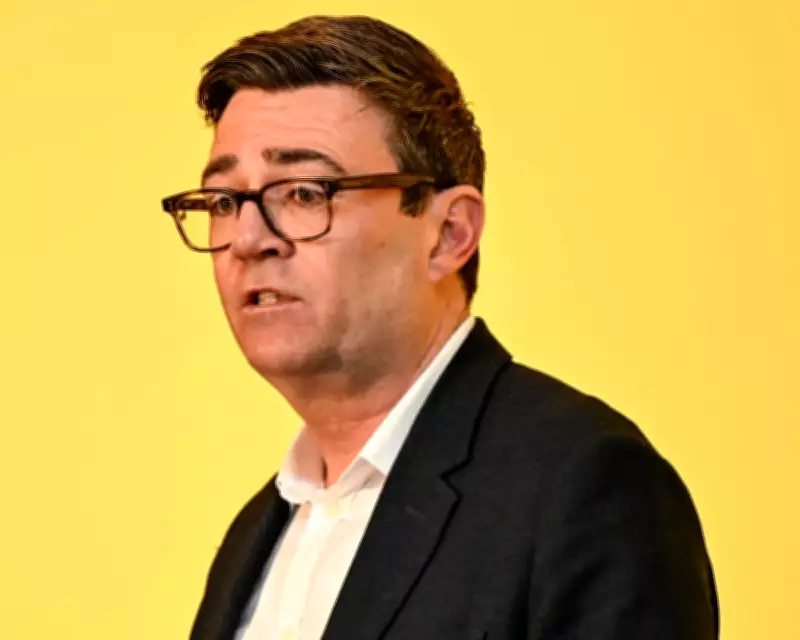
A 2010 plan drawn up by the then health secretary, Andy Burnham, to levy a charge on estates to pay for universal social care was called a ‘death tax’ by the Tories. Seven years later, Labour called Theresa May’s plan to pay for care a ‘dementia tax’. This history underscores the political peril of reforming social care, yet the issue remains unresolved.
The Need for Action
Whatever happens with the leadership, Labour must tackle the issue of social care head-on. The challenge of how to look after an ageing population has been ducked by politicians for too long. If a new Labour leader wants to underline their determination to wrestle with Britain’s political challenges, it is hard to think of a better place to start than with the creaking social care settlement.
A new collection of essays, to be published by the Fabian Society this week, urges the government – whoever leads it – to crack on with creating a “national care service” more closely aligned to the NHS and ensure it is properly funded.
Historical Context
It was nine years ago on Monday, in a cavernous former mill in Halifax, that Theresa May launched the Conservatives’ general election manifesto. At its heart – aside from a load of philosophical blather – was a plan to fund care costs. No one would have to sell their home in their lifetime to pay for their care, the Tories promised, with costs deferred until after death, and the first £100,000 of a patient’s assets would be protected – but after that they would be liable.
Before the day was out, Labour had called the plan, which could result in part of the value of a patient’s home being used to fund their care after death, a “dementia tax”. The policy – and May’s clunking retreat – was widely credited as a contributing factor in the Conservatives’ worse-than-expected 2017 election performance, ultimately costing May her premiership.
Scroll back another seven years, and a plan to levy a charge on estates to pay for universal social care, drawn up by the then Labour health secretary – one Andy Burnham – was called a “death tax” by the Tories, with the policy dying a death itself as Gordon Brown was swept from power in the 2010 general election.
Why Politicians Duck the Issue
It is not hard to understand why politicians have subsequently ducked the issue – the trade-offs are tough, and voters do not want to be told they are going to have to pay for a system they may be lucky enough never to have to use. Boris Johnson, to give him his due, did announce a “health and social care levy” on national insurance, intended to pay for capping families’ care costs at a maximum of £86,000; but Liz Truss, with her allergy to tax increases, scrapped it. When Labour came to power two years later, Rachel Reeves increased the social care budget but indefinitely shelved the idea of a cap on fees as too expensive.
Labour has not been idle: radical plans for a statutory negotiating body for care workers’ pay are progressing, with more details expected next month about who will sit around the table. But the broader question of how we as a nation collectively address the challenges of caring for an ageing society has been ducked.
Consequences of Inaction
That leaves families still selling their homes to fund care, and fretting about how long the proceeds will last, as they witness their relative’s heartbreaking decline. Meanwhile, the cash-strapped care sector still struggles to meet growing need. The sorry history of politicians failing to grip the issue is partly indicative of the fiscal constraints they are increasingly forced to work with. But it also seems to mark a kind of learned helplessness – an unwillingness to make an argument, the characteristic identified as Keir Starmer’s worst failing in Jess Phillips’s resignation letter last week.
Call for Urgency
Almost two years on from the 2024 general election, even the Fabians, wedded to gradualism, are warning the government not to waste any more time. Ben Cooper, the Fabian collection’s co-author, warns Labour against holding out for the cross-party consensus it claims to be hoping to foment as part of a review of social care by Louise Casey.
“While cross-party consensus is important, building the foundations of the national care service cannot wait,” he says. “The second half of this parliament must be about delivering affordable, high quality and personalised care with better conditions for the workforce. Otherwise, voters will remain frustrated with the slow pace of change – and unwilling to trust the government with another opportunity to fix social care.”
In her contribution, the Labour MP Anna Dixon agrees: “The goal of the Casey Commission was to build a strong cross-party consensus around a long-term vision for care. But, ever since the review began, concerns have grown over the pace and urgency of change.”
Potential Solutions
Burnham, if he does replace Starmer, or, indeed, Angela Rayner, would be acutely aware of the need to fund any uplift in care spending. The fear stalking the bond markets, that a Burnham or Rayner premiership would mean a wild splurge unmatched by tax increases, is wide of the mark. Burnham has talked in recent years about replacing inheritance tax with a progressive “care levy” in order to fund a national care service.
That would mesh with the idea floated by the former transport secretary Louise Haigh in the journal Renewal last week: that social care funding should be centralised instead of falling so heavily on local authorities, which are then punished by the voters for cutting back on other community services. Mathew Lawrence of the thinktank Common Wealth, who is associated with the Burnham-adjacent group Mainstream, has called for more public sector involvement in the sector, arguing that in today’s economy “care is degraded by financial extraction at the point of delivery”.
Conclusion
Casey’s final verdict is not due until 2028. Yet, as Cooper at the Fabian Society says, giving a clear direction of travel now would “show what Labour stands for”. It will be unforgivable by the time of the next general election, as May robotically put it back in 2017, if “nothing has changed”.




