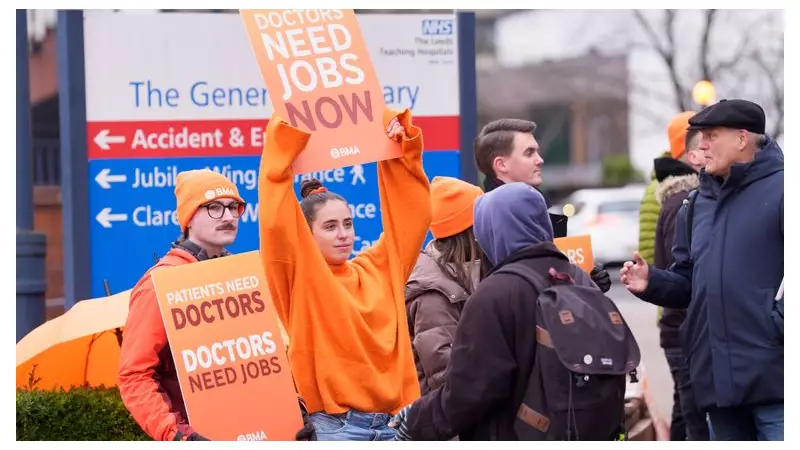
Junior doctors in England have returned to work following a five-day strike that concluded this week, as Health Secretary Wes Streeting warned the "hardest yards are in the weeks ahead" for the health service.
Health Secretary's Warning and Pledge
Wes Streeting expressed gratitude to NHS staff for their "extraordinary efforts" in managing the combined pressure of the industrial action and a surge in seasonal flu cases. He described the situation as the most serious threat to the NHS since he assumed the role a year and a half ago.
In a statement, Streeting said: "The double whammy of strike action and flu this December posed the most serious threat to the NHS since I became health and social care secretary. The health service has only been able to cope because of the extraordinary efforts of the dedicated staff who work in it."

Looking forward, he made a significant pledge: "I do not want to see a single day of industrial action in the NHS in 2026 and will be doing everything I can to make this a reality. My door remains open, as it always has done, and I'm determined to resume discussions with the BMA in the New Year to put an end to these damaging cycles of disruption."
Root of the Dispute and Public Sentiment
The strike was called after members of the British Medical Association (BMA) in England rejected a fresh government proposal. The union stated that 83% of its English members voted against the offer, which they argued failed to address long-term pay erosion.
The government's rejected offer included:
- A fast expansion of specialist training posts.
- Coverage for out-of-pocket expenses like exam fees.
- An extension of the strike mandate to allow any walkout to be rescheduled for January.
However, it did not meet the core demand from junior doctors for a 26% salary rise over the coming years to compensate for real-terms pay cuts since 2008. This is despite a 28.9% increase over the last three years.
Public support for the strikes appears low. A recent YouGov poll indicated that 58% of respondents somewhat or strongly opposed the industrial action, while 33% expressed support.
Political Reactions and Future Outlook
The strike drew sharp criticism from senior government figures. Prime Minister Sir Keir Starmer labelled the action "irresponsible," while Health Secretary Streeting accused the BMA of showing a "shocking disregard for patient safety."
The BMA countered, stating the strike was "entirely avoidable" and reiterating its call for a "credible offer" to prevent further real-terms pay cuts for doctors in England.
With the immediate walkout over, the focus now shifts to the promised New Year negotiations. The coming weeks will test the NHS's resilience during its busiest period, while the government and union face pressure to find a lasting solution and avert further damaging industrial action in 2026.