Trauma Surgeon Reflects on Westminster Attack and the Human Side of Medicine
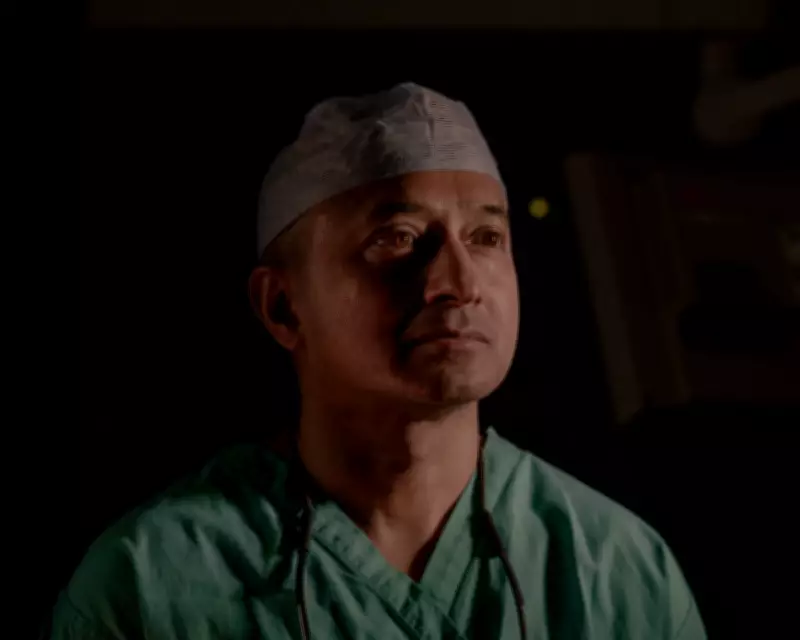
On March 22, 2017, trauma surgeon Shehan Hettiaratchy was conducting end-of-term exams for medical students when his phone alerted him to a terror attack near the Houses of Parliament. Three individuals had driven into pedestrians on Westminster Bridge before proceeding to stab people on the street. Within minutes, Hettiaratchy was en route to St Mary's Hospital in Paddington, west London, where he serves as lead surgeon, preparing to receive victims of the assault.
The Day That Changed Everything
Although Hettiaratchy and his team were accustomed to treating life-threatening injuries—what he describes on paper as resembling "a busy Saturday night"—the atmosphere felt distinctly different. There was "a collective fear that we're under attack—there are people on the streets of London trying to kill our fellow Londoners." Documented in the BBC series Hospital, Hettiaratchy took charge, focusing on practical, methodical decisions: identifying patients, assessing injuries, and determining necessary actions. This detachment, he believes, is crucial for maintaining focus and accomplishing the task at hand.
That day, St Mary's staff treated 15 individuals injured in the attack, including the perpetrator, Khalid Masood, who later died after being shot by police. While all other patients treated at St Mary's survived, five of Masood's victims lost their lives. Hettiaratchy personally operated on Stephen, who was celebrating his birthday with his wife when struck by Masood's car, sustaining severe injuries to his leg, skull, and chest.
The Emotional Aftermath and Human Connection
After emergency surgeries were completed, Hettiaratchy experienced a "gut punch" of emotions. He emphasizes the importance of healthcare workers being equipped to handle both the clinical and emotional aspects of their roles. In his new memoir, The Careful Surgeon, he advises medical students that "the most important thing" is to "stay horrified by what they see—they need to stay shocked." Complete emotional detachment, he argues, results in losing one's humanity, which is detrimental both personally and for patient care. "If I'm not emotionally connecting to them, can I really understand what they need?" he questions.
A Career Forged in Life-and-Death Situations
Hettiaratchy has always been drawn to "life and death situations." As a teenager in Hampshire, he considered joining the military or becoming a doctor, ultimately pursuing both paths. After a year in the army before medical school, he later served as an army doctor in Afghanistan. Currently, he works as a consultant surgeon in London, serves as the national clinical director of armed forces healthcare, and has participated in surgical missions in Ukraine and Gaza with the frontline medical aid charity UK-Med.
He acknowledges that working as a surgeon requires a degree of ego to perform such "deeply unnatural acts" as surgery, but stresses the necessity of switching to empathy post-operation. "You have to be caring, you have to be empathetic," he states, noting that not all surgeons successfully balance this duality. Hettiaratchy advocates for improved communication within medical teams, exemplified by his post-Westminster attack team meeting that included counseling and patient perspectives.
Learning from Success and Failure
Hettiaratchy recounts both triumphs and challenges, such as the complex 2012 surgery on 12-year-old Helena, who severely injured her leg in a holiday accident. Faced with the choice between amputation and risky reconstructive surgery, he prioritized the patient's needs over his own ambitions, ultimately succeeding after two lengthy operations. Conversely, he openly discusses cases where patients could not be saved or limbs required amputation, underscoring the realities of trauma surgery.
His memoir, initially undertaken reluctantly, revealed a consistent theme of hope. "You see the very worst things, and you also see the very best," he observes, believing that the "lightness" of the job "will always outshine the darkness."
Advocacy for Healthcare Workers and Future Preparedness
Hettiaratchy highlights the dedication of nurses during the COVID-19 pandemic, describing their care as "acts of love," and supports strike actions by nurses and resident doctors for better pay and conditions. He stresses the need to attract and retain talented individuals in the NHS through incentives beyond salary alone.
Looking ahead, he is involved in training surgeons in Ukraine for post-conflict reconstructive surgery, with similar plans for Gaza. He warns that healthcare systems globally must prepare for the medical consequences of conflicts, noting that while Ukraine was militarily prepared, it "had not prepared for the healthcare consequences of war."
Facing Future Challenges with Resilience
Reflecting on the Westminster attack, Hettiaratchy soberly acknowledges, "It will happen again. That's just the way it goes." Whether another terrorist incident, train crash, or other emergency, he believes healthcare professionals must be ready. "We'll end up with that same kind of scenario of us being down at the bay, waiting for patients to come in who've been injured. But that's kind of the job." Through it all, he maintains that humanity, optimism, and selflessness remain essential in navigating the harrowing yet heartening calling of trauma surgery.