In a poignant advice column, Eleanor Gordon-Smith addresses a heart-wrenching query from a woman grappling with her husband's infidelity after over two decades of marriage. The reader discovered her spouse's year-long affair with a mutual friend, describing the other woman as accomplished, charming, and brilliant, which has left her feeling inadequate and unable to compete.
The Husband's Stance and the Reader's Dilemma
The husband has explicitly stated he does not want to end the affair, though he claims to love his wife and wishes to remain married. He has ruled out marrying the mistress, who is in an open marriage. The reader is torn between demanding he end the relationship, fearing it might destroy his love for her, and enduring the pain of him continuing to see the other woman, which she doubts she can bear.
She expresses deep, enduring love for her husband since their first meeting, leading her to ask: "Do I give him the world in return for half his heart?" This question underscores her desperation and fear of loss, framing the situation as a potential sacrifice of her own happiness.
Eleanor Gordon-Smith's Insightful Response
Gordon-Smith empathizes with the reader's pain, noting that genuine love can persist even after hurt, which she views as a form of profound regard. However, she identifies a critical error in the reader's thinking: prioritizing the fear of losing her husband over the risk of losing herself.
She reframes the question from whether to endure unbearable pain to what the reader teaches herself by accepting such conditions. Gordon-Smith argues that saying yes would normalize unbearable pain, imply that her wellbeing is secondary, and signal that her husband's disregard for her suffering is acceptable.
The Importance of Self-Respect and Inner Integrity
Gordon-Smith emphasizes a core part of the self that exists beyond relationships and external pressures—a sense of self-respect and inner integrity. She urges the reader to consider whether she can look this part of herself in the eye after making a decision. If she says yes, would she feel she stood tall and did right by herself? If she says no, there's a chance her husband might realize the gravity of losing her, though it could also lead to him leaving, resulting in catastrophic pain.
Ultimately, Gordon-Smith advises that the reader should focus most on not losing herself, rather than her husband. She concludes with a powerful reminder: "It's at least possible that there'd be life for you after him. There is no such thing as a life for you after you." This statement reinforces the necessity of self-preservation in the face of emotional turmoil.
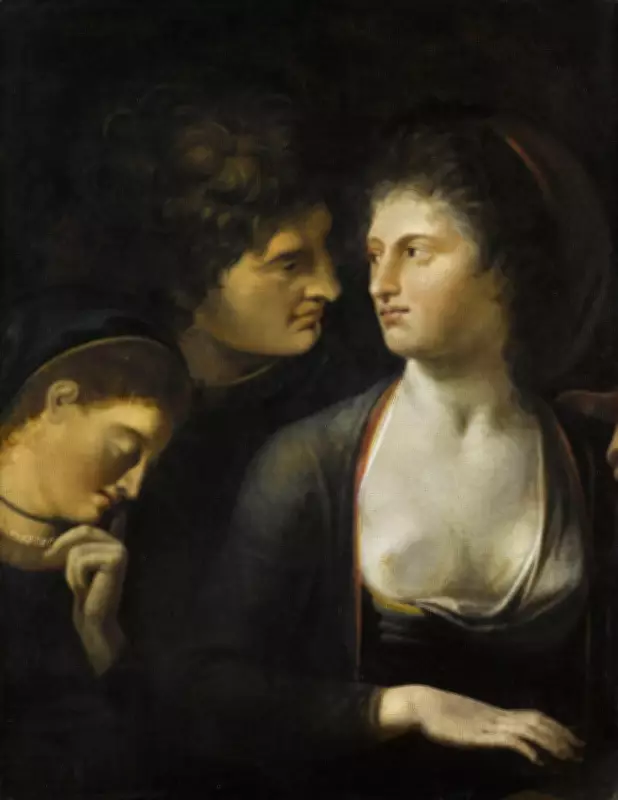
The column, illustrated with a reference to Henry Fuseli's painting "Lysander with Helena and Hermia" from A Midsummer Night's Dream, delves into themes of love, betrayal, and personal identity, offering a nuanced perspective on navigating complex relationship dynamics.