The Emotional Security Revolution: How Rewiring Your Brain Can Transform Your Life
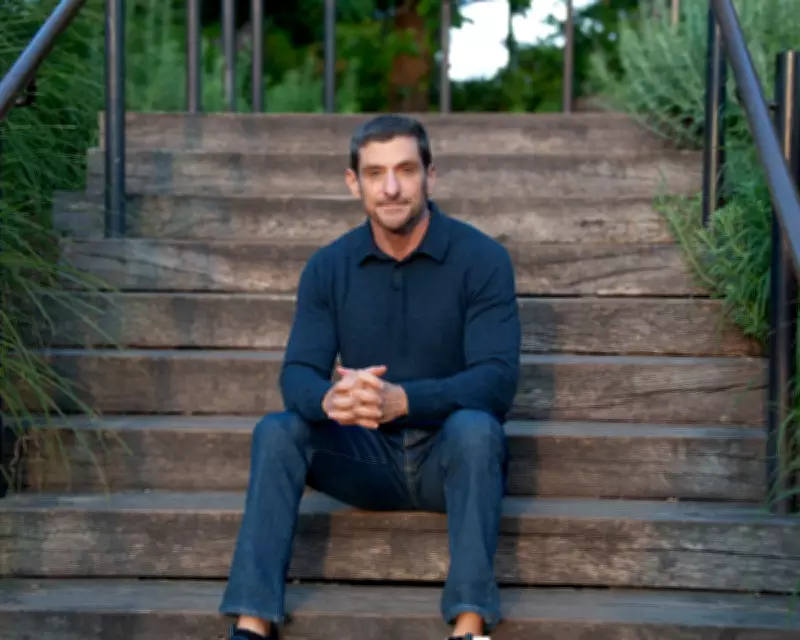
For sixteen years, psychiatrist Amir Levine has been meticulously developing the groundbreaking insights that form his new book, 'Secure.' This follow-up to his influential 2010 work 'Attached' represents a significant evolution in understanding how attachment styles fundamentally shape human experience.
From Academic Concept to Global Phenomenon
When 'Attached' introduced attachment theory categories to mainstream audiences, it created a paradigm shift in how people understand relationship dynamics. The framework identified four primary attachment styles: anxious (characterized by social hypervigilance), avoidant (marked by independence and emotional suppression), fearful-avoidant (experiencing conflicting desires for closeness and retreat), and secure.
"The response was overwhelming," Levine reflects from his Miami base. "I received countless emails from readers worldwide sharing how understanding their attachment style transformed their relationships and self-awareness." One particularly memorable message came from an Iranian woman who recognized her partner's avoidant tendencies, ended the relationship, and found a secure partner with whom she experienced new levels of intimacy and fulfillment.
The Neuroscience of Connection
Levine's new work synthesizes sixteen years of clinical practice, neuroscience research, and neuroplasticity studies into practical tools for cultivating secure attachment. "This isn't just about better relationships," he emphasizes. "It's about fundamentally rewiring your brain for greater health and longevity."
Remarkable research findings support this claim. A meta-analysis involving 300,000 participants demonstrated that strong social connections can reduce mortality by an astonishing 50%. "No supplement or medical intervention comes close to that impact," Levine notes. Studies tracking participants for periods ranging from months to 58 years consistently show that secure individuals experience better health outcomes, including fewer symptoms when ill and reduced stress responses.
The Workplace Impact of Attachment Styles
Attachment theory extends far beyond personal relationships into professional domains. Levine provides compelling examples: Luke, a 32-year-old avoidant manager who struggles with delegation despite working excessive hours, and an anxiously attached employee who spends days recovering emotionally from a brief email exchange.
"Secure individuals demonstrate greater resilience in job searches, better cognitive functioning in later life, and even increased resistance to consumerism and social media's negative effects," Levine explains. The research shows that feeling safe reduces inflammatory responses and enhances overall wellbeing.
Transforming Attachment Through Practical Tools
Levine's approach challenges the notion that attachment styles are fixed from childhood. "We can exhibit different attachment patterns with different people throughout our lives," he asserts. His online questionnaires help individuals map their "attachment topography" across various relationships, including those with pets.
The psychiatrist introduces two key frameworks: CARRP (Consistent, Available, Responsive, Reliable, Predictable) and SIMIS (Seemingly Insignificant Minor Interactions). These concepts provide practical pathways to developing secure connections through everyday behaviors and relationship choices.
Beyond Nature Versus Nurture
One of the book's most liberating revelations challenges deterministic views of attachment. "We're far beyond simple nature versus nurture debates," Levine states. "Epigenetic influences, life experiences, and ongoing relationships all contribute to our attachment landscape in complex, nuanced ways."
He cautions against parents overworrying about their influence, noting that child temperament also shapes parenting dynamics. "Causal thinking can become a form of internal gaslighting that diminishes legitimate emotional responses," he observes.
A New Approach to Emotional Wellbeing
While acknowledging the value of traditional trauma therapies, Levine presents secure priming therapy as an effective alternative grounded in contemporary neuroscience. "Our brains are exquisitely social organs," he explains. "When we feel excluded or ignored, the same neural pathways activate as during physical pain."
The book offers hope for transformation at any age, illustrated by poignant cases like an octogenarian whose new relationship triggered insecure patterns with serious health consequences. "These tools can prevent such outcomes," Levine emphasizes. "The price of chronic insecurity is too dear."
Through consistent practice and intentional relationship choices, Levine demonstrates how anyone can cultivate secure attachment's profound benefits: enhanced health, increased longevity, greater professional effectiveness, and deeper personal fulfillment.