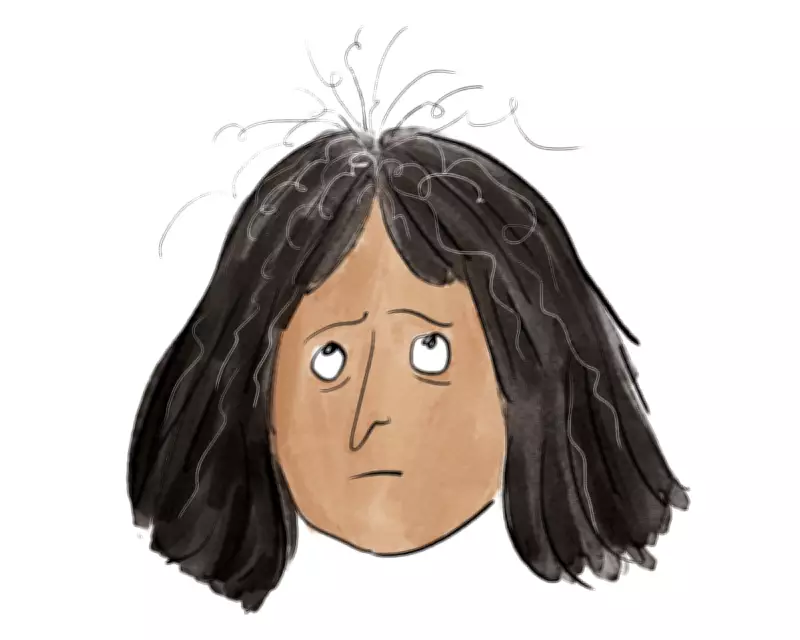
The Truth About Plucking Grey Hair: A Dermatologist's Insight
Many people believe that if you pluck a single grey hair, two will sprout in its place, but this common myth is far from reality. According to Desmond Tobin, a professor of dermatological science at University College Dublin, this idea is not only false but could lead to unintended consequences for hair health.
Why Plucking Doesn't Stimulate Growth
Each hair follicle on the scalp functions as a tiny factory, producing just one hair shaft at a time. Plucking a hair does not trigger the follicle to generate multiple hairs. In fact, Tobin emphasizes that if plucking could encourage more growth, it would be a revolutionary solution for those experiencing thinning hair. However, the opposite is often true.
Repeated plucking can cause significant damage to the follicle, potentially leading to permanent hair loss. Tobin cites the ultra-thin eyebrow trend of the 1990s and early 2000s as a cautionary example. Many individuals overplucked their eyebrows, resulting in follicles that ceased production entirely. "They weren't getting two for every one," he notes. "They were actually getting none."
The Risks of Hair Plucking
Damage is a critical factor when plucking hairs. Tobin explains that the process can fracture the hair or pull it out by the root. "Sometimes when you see tiny blood droplets on the skin, you know you've removed the entire follicle and it will not recover," he says. This underscores the importance of gentle hair care practices to avoid long-term harm.
What Influences Grey Hair Appearance?
Grey hair is largely determined by genetics, so looking at close relatives can provide insight into what to expect. However, external factors such as chronic stress, poor sleep, and nutritional deficiencies may accelerate biological ageing, including changes in hair pigmentation.
Interestingly, grey hair isn't always a negative development. It often grows as well as, or even better than, pigmented hair. For instance, men with salt-and-pepper beards frequently observe that white hairs grow longer between shaves. "There seems to be a preferential growth-rate advantage to white and grey hair," Tobin adds.
Key Takeaways for Hair Care
- Plucking a grey hair does not cause multiple hairs to grow back.
- Repeated plucking can damage follicles, leading to permanent hair loss.
- Grey hair is primarily genetic, but lifestyle factors can influence its onset.
- Grey hair may have growth advantages over pigmented hair in some cases.
In summary, while the myth of plucking grey hair persists, scientific evidence shows it's unfounded. Instead of risking damage, individuals concerned about hair loss or grey hair should consult dermatologists for safe and effective management strategies.