Online Misogyny: A Digital Crisis for Youth Mental Health and Safety
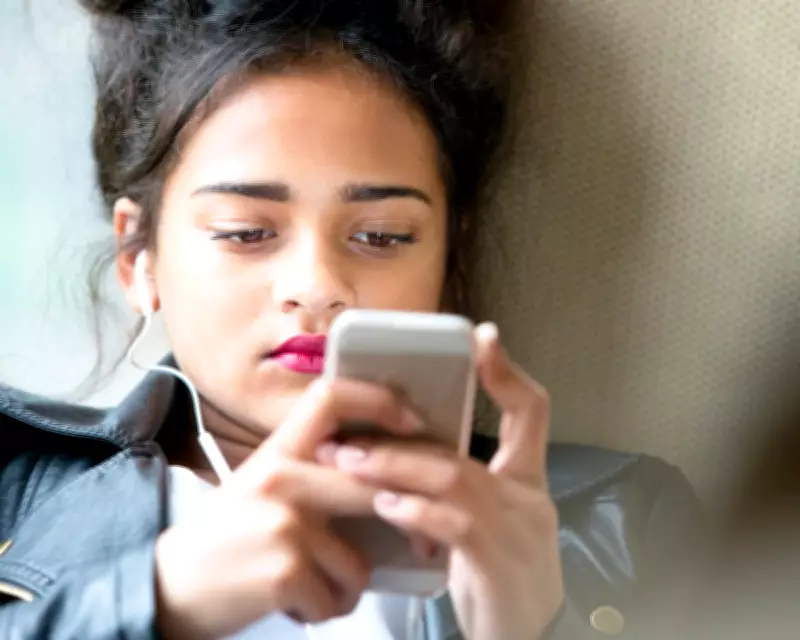
The disturbing account from a 15-year-old girl detailing the misogyny she faces online has sparked urgent calls for action from mental health professionals and concerned citizens. Her brave testimony highlights how young people are exposed to hatred in ways that digital natives uniquely understand, underscoring a pervasive issue in social media environments.
The Scale of Harmful Content and Its Impact
Alexa Knight, Director of Policy and Influencing at the Mental Health Foundation, emphasizes that the scale of harmful content online is deeply concerning. While the online world offers connection and support for many youth, it also harbors misogyny and harassment that spread unchecked due to platform design flaws. Knight argues that a social media ban for under-16s alone cannot fix these underlying problems without addressing algorithmic transparency and stronger regulation.
Broader Societal Concerns and Family Dynamics
Dr. Ralph Holtom, a psychoanalytic psychotherapist, points out that the issue extends beyond girls' self-image to affect boys' development. With 25% of UK families with dependent children being single-parent households, often led by women, boys may lack consistent male role models, leaving them vulnerable to toxic online influences. Holtom stresses the need to highlight positive male models alongside protecting girls from harm.
Calls for Policy and Community Intervention
Rebecca Solway, a social worker with 30 years of experience, expresses outrage at the lack of intervention from politicians and social media firms. She links the online hostility to depleted youth clubs and community resources, urging immediate action to prevent further harm. Meanwhile, Rachel Spires from Texas shares her personal approach, implementing a social media ban in her household and educating her children about online toxicity, while encouraging girls to resist misogynistic control.
Historical Context and Youth Advocacy
Jane Roland Martin, an emerita professor, notes that while the online expression of misogyny is new, the underlying fear and hatred of women are ancient. She praises the 15-year-old for breaking the silence that elders have failed to address, highlighting the courage of youth in advocating for change.
Moving Forward: Inclusive Solutions
Experts agree that any effective response must include young people in discussions and demand greater accountability from platforms. A comprehensive package of measures, including age limits, design reforms, and mental health support, is essential to create safer digital spaces and protect the well-being of future generations.