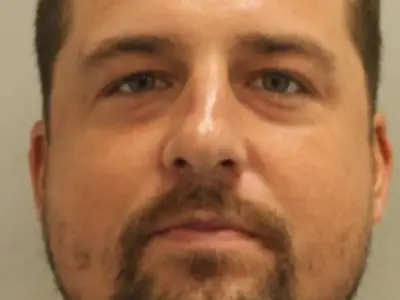
Man Accused of Driving Wife to Suicide Claims She Fabricated Abuse for Attention
A man accused of driving his wife to suicide through what prosecutors describe as a "tsunami" of abuse has claimed in court that his wife fabricated the allegations due to mental health problems and an "addiction" to attention. Christopher Trybus, 43, is on trial at Winchester Crown Court charged with manslaughter over the death of his wife Tarryn Baird, who was found dead at their family home in Swindon in November 2017 at age 34.
Prosecution Details Extensive Abuse Allegations
Prosecutors allege that Trybus subjected Baird to extensive and escalating controlling, coercive, and manipulative behavior throughout their marriage, including sexual violence. Jurors heard allegations that Baird was punched, choked during sex, strangled with rope, and hit with a metal pole, with prosecutors describing a "clear history of rape." Evidence presented includes GP records, photographs Baird took of herself, and a phone recording of an alleged sexual attack discovered by her mother.
Before ending her life, Baird left a note stating, "I just couldn't take it anymore." Prosecuting barrister Tom Little KC told the court that Baird was "constricted by [Trybus's] control" and too terrified to leave him, eventually stopping his control "in the only way she felt she could – by taking her own life."
Defense Claims Allegations Were Demonstrably False
Defense barrister Katy Thorne KC presented a starkly different narrative, stating that Trybus never abused his wife and that Baird made "demonstrably false allegations" to health professionals. Thorne argued that Baird had longstanding mental health issues and may have become "addicted to the attention" her allegations brought.
"The defence position in this case is actually a straightforward one – Christopher Trybus was never abusive to his wife, he didn't beat her, he didn't rape her, he didn't coercively control her and he didn't cause her death," Thorne told jurors. "On the contrary, he loved her and cherished her deeply."
Specific Contradictions Presented in Court
The defense pointed to specific instances where Baird allegedly reported injuries caused by Trybus when he was out of the country. "On November 16, he says that he was out of the country, having left on November 8 and not returned until November 23," Thorne explained. "And yet during that period, Tarryn Baird made more than one set of allegations of domestic violence and took photographs of injuries, each of which she said was caused by him."
Thorne also addressed the audio recording of the alleged sexual assault, claiming it actually captured "the two of them engaged in that kinky bondage-type sex" that was entirely consensual. She described their sex life as including practices like bondage and rough sex that "may not be familiar or comfortable to everyone" but were mutually agreed upon.
Pattern of Withdrawn Claims and Mental Health Factors
Jurors heard that Baird initially attributed injuries to innocent accidents like falling over before confiding to her GP about regular abuse by her husband. However, whenever police involvement seemed imminent, she would withdraw her claims and revert to blaming herself.
Thorne suggested the jury consider whether Baird's death represented a "cry for help that went tragically wrong" rather than a direct result of abuse. "The defence case is that even if you find there was domestic abuse – which is denied – you cannot be sure that it caused her to take her own life," she stated. "The defence case is that there are other matters such as her mental health difficulties and withdrawal of services from her which led her to take her own life."
Trial Continues as Both Sides Present Evidence
Trybus, a software consultant and developer, denies all charges against him. The trial continues as jurors weigh conflicting narratives about the nature of the couple's relationship, the validity of abuse allegations, and the factors that led to Baird's tragic death. The case highlights complex issues surrounding domestic abuse allegations, mental health considerations, and the challenges of determining causation in suicide-related prosecutions.