Mother's Relentless Battle Against Social Media After Daughter's Murder
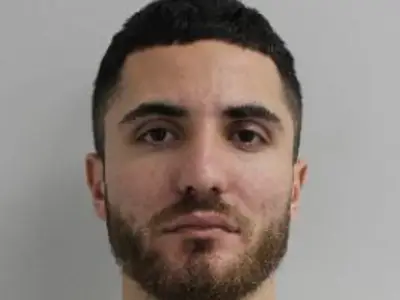
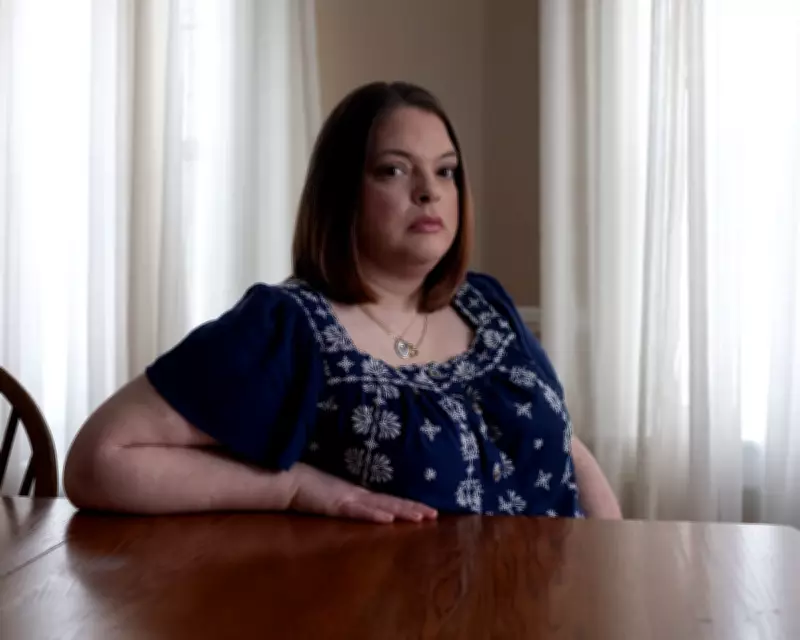
In July 2019, Kim Devins received a devastating visit from police at her home in upstate New York, leading to the unimaginable loss of her 17-year-old daughter, Bianca Devins. Bianca was murdered by Brandon Clark, who then shared horrific images of her mutilated body across platforms like Instagram and Snapchat. Seven years later, these images continue to circulate online, with Devins describing the recent anonymous sending of such photos as "psychological terrorism." Her journey reveals a profound struggle against digital exploitation and the failures of social media companies to protect victims.
The Horrific Crime and Its Aftermath
Bianca Devins, a bright teenager with plans to study psychology, was killed by Clark after attending a concert. Clark had meticulously planned the murder, researching methods and hiding a knife in his car. After the act, he posted graphic images online, gaining attention from "incel" communities who celebrated the crime. Devins recalls the initial confusion and shock, stating, "All of me shook. I could almost see myself from the outside." The public nature of the murder, amplified by social media, has made it difficult for her to fully accept the reality of her loss.
Bianca's Life and Struggles
Bianca had faced challenges with anxiety, depression, and a diagnosis of borderline personality disorder but had recently shown significant improvement. She reconnected with friends, graduated high school, and secured a college spot. Devins emphasizes, "She was happy, on track, she was really doing well." The internet served as both a support system and a danger zone for Bianca, where she met Clark. Despite his troubled background, he appeared normal during initial meetings, with no obvious red flags.
The Fight for Removal and Legal Action
In the aftermath, Devins discovered the widespread circulation of the images, with Bianca's Instagram followers skyrocketing from 2,000 to over 160,000. Police and Devins faced obstacles in removing the content, as platforms claimed it was spreading too rapidly. Through persistence, Devins contacted local congressman Anthony Brindisi, leading to efforts to establish dedicated crisis-response centers on social media. Although Bianca's Law at the federal level did not pass, a state version in New York criminalized nonconsensual sharing of crime victim images. Devins argues that current internet regulations are insufficient, calling for more accountability from tech companies.
Personal Resilience and Family Support
Devins finds strength in her family, including her younger daughter Olivia, grandson, and Maddie, a child from her ex-husband's relationship whom she helped raise. She notes, "Maddie coming into our lives is what saved my life." Social media has also provided solace through communities that flood hashtags with positive images to counteract the gore. Devins believes Bianca's spirit guides her, sharing a dream where Bianca urged her to be happy. She continues to advocate for safer online spaces, driven by a desire to protect future generations from similar trauma.
Conclusion: A Call for Change
Kim Devins' story underscores the urgent need for social media platforms to implement effective moderation and crisis response systems. While she acknowledges the benefits of online communities, she stresses that companies must be held responsible for harmful content. Her fight honors Bianca's memory and aims to prevent others from enduring such psychological terror. As Devins reflects, "I just want platforms to be held properly accountable for their content." This case highlights broader issues of digital safety and the lasting impact of online violence on families.