London Woman Breaks Decades-Long Silence on Alleged Grooming Gang Abuse
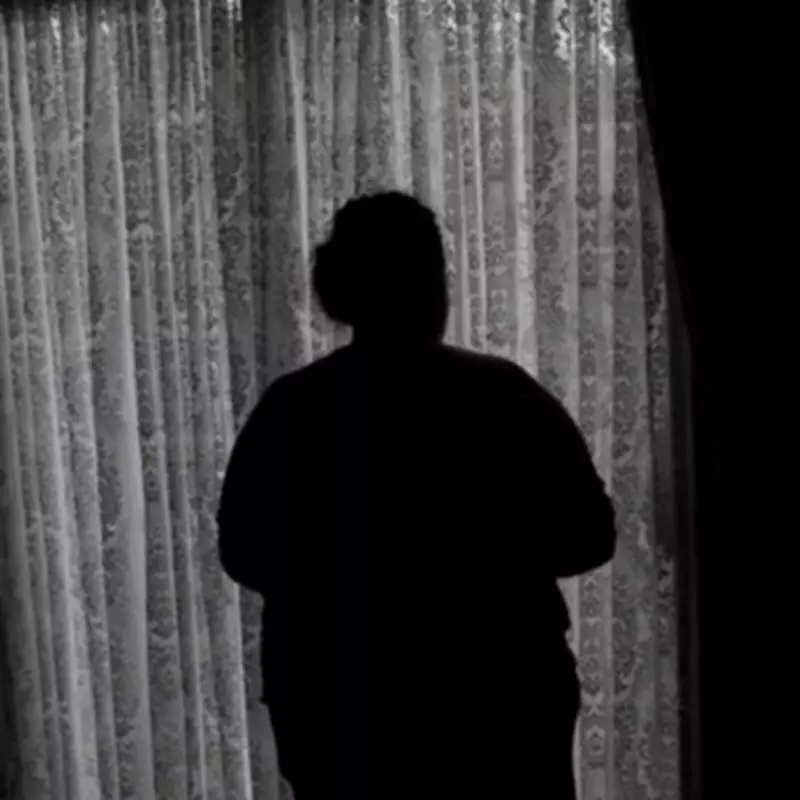
A woman who claims she was drugged, raped, and abandoned naked in a park by a West London grooming gang has spoken out for the first time about her traumatic experiences during the 1990s. The woman, identified as Amy, told journalists she was lured into a cycle of abuse that began when she became homeless as a teenager and continued for years.
Alleged Abuse Begins Above Chip Shop
Amy describes her early childhood as "very good" with supportive parents, but says severe bullying in primary school led her to skip secondary school with an older friend named Sarah. According to Amy, Sarah took her to a flat above a local chip shop where she witnessed disturbing scenes.
"I entered a room where young girls were 'off their heads' on alcohol and having sex with older South Asian men," Amy recalled. She claims she saw a girl who appeared as young as 11 being sexually assaulted while other girls engaged in sexual acts on pillows scattered across the floor.
When men allegedly tried to touch her and pressured her to drink, Amy says she poured her drink into a plant pot, pretended to need the bathroom, and escaped through a window after breaking a lock. She claims she called police from a nearby telephone box and officers removed about six men from the property before driving her home.
Homelessness Leads to More Severe Abuse
After her relationship with her mother deteriorated, Amy says she became homeless and slept in doorways and parks. She claims the local council repeatedly told her to return home rather than providing housing or contacting social services.
During this period, Amy reconnected with Sarah, who she says led her to a house where she spent approximately three years under the control of men who treated her and other girls as "pieces of meat." Amy alleges she was injected with heroin, forced to smoke crack cocaine, and spiked with ketamine.
"I was washed once a day in a sink by an older man and repeatedly gang-raped by South Asian men of all ages," Amy told reporters. She claims a middle-aged South Asian woman known as "Lady" invited men into the house from the ground floor.
Hospitalization and Alleged Abduction Attempt
Amy says she was eventually found naked in a park, so heavily drugged that her alleged abusers may have thought she was dead. Police took her to a hospital where medical staff pumped her stomach and found large amounts of drugs and sexually transmitted infections in her system.
While in a psychiatric ward after attacking a police officer during severe mental distress, Amy claims a security guard stopped an attempted abduction when her alleged abusers appeared outside the hospital in a red sports car.
Police Response and Historical Context
Amy believes police knew about the alleged abuse but failed to take appropriate action. A retired Metropolitan Police detective with knowledge of the area told journalists that while officers were aware of girls frequently going missing from children's homes for two to three days at a time, they didn't have specific training to address potential grooming situations.
"We were not happy with it, but felt there was nothing we could do about it," the former officer said. "They came back not battered and bruised, and then went back off again. They did not want to talk to us."
Ongoing Impact and Calls for Justice
Now in her 40s, Amy says media attention on grooming gangs in Northern England helped her realize her experiences were not normal. She has struggled with mental health issues, abusive relationships, and homelessness in the decades since the alleged abuse.
Amy criticizes the Metropolitan Police's review of 9,000 child sexual exploitation cases, which only goes back to 2010. "If they review it to 2010, not to [the 1990s], I am forgotten," she said. "I feel worthless. I feel I do not exist in a big world."
The local council involved says their systems don't go back far enough to comment on Amy's claims of being denied care in the 1990s, but they sympathize with her "very difficult circumstances." Police have not identified any historic reports, cautions, or arrests in connection with the allegations, though this doesn't necessarily mean the incidents didn't occur.
Due to the historic nature of these allegations, journalists could not verify all details of Amy's story. Evidence remains unclear or missing in some areas, and specific locations and identities have been protected to maintain privacy and legal considerations.