Living with Hyperphantasia: The Power of Vivid Mental Imagery
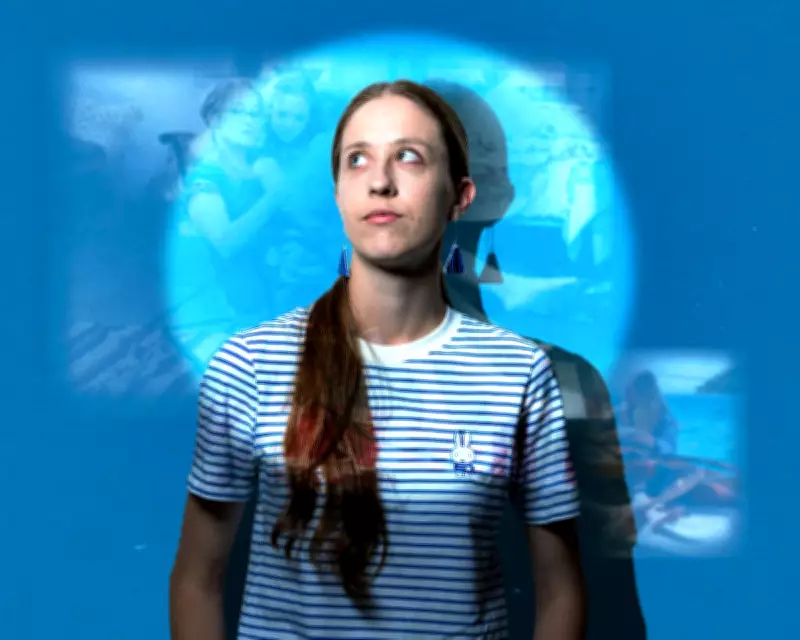
Maddie Thomas shares her experience with hyperphantasia, a condition where the mind's eye creates intensely detailed scenes, both real and imagined. She recalls how, as a child, replaying the film Mamma Mia! frame-by-frame helped her fall asleep, visualizing every line of dialogue and the exact colors of characters' clothes. Now, nearly two decades later, she has learned that not everyone possesses this ability to conjure such lifelike mental images.
Understanding Hyperphantasia and Its Cognitive Impact
Hyperphantasia is a cognitive trait characterized by an abundance of vivid mental imagery, allowing individuals to generate detailed images and scenarios in their minds. Coined just a decade ago, this term describes an imagination of "lifelike" quality that can extend to multiple senses, including sound, taste, touch, and smell. While the Vividness of Visual Imagery Questionnaire is a common tool for measuring visual clarity, researchers are exploring more objective methods to study how the brain generates imagery, as the definition of "vividness" remains underexplored.
For those with hyperphantasia, such as Maddie, this trait means remembering specific details like the clothes people wore on the first meeting or recalling conversations word-for-word. It enables a rich visual world where loved ones' faces can be imagined down to the smallest wrinkle, novel characters come to life, and potential scenarios, like everything that could go wrong during a commute, are played out mentally before they happen.
The Spectrum of Mental Imagery: From Aphantasia to Hyperphantasia
Learning about hyperphantasia often begins with its opposite: aphantasia, where approximately 1% of the population lacks any mental imagery, making phrases like "picture this" purely metaphorical. Professor Joel Pearson, a cognitive neuroscientist at the University of New South Wales, explains that aphantasia can be multisensory, affecting the ability to imagine sounds, temperatures, or tastes, or it can be purely visual. Conversely, hyperphantasia is estimated to affect about 5.9% of the population, with some individuals experiencing amplified sensory recall that can sometimes be overwhelming.
Alanna Carlson, a lawyer and executive coach, describes her hyperphantasia as akin to design software, allowing her to rotate objects mentally and recall detailed information from years past. However, this ability can also make it challenging to distance oneself from traumatic memories, as vivid imagery can intensify emotional responses. Research by Pearson shows that individuals with visual imagery exhibit heightened emotional reactions to frightening scenarios, whereas those with aphantasia show minimal response.
The Science and Community Behind Imagination
The terms aphantasia and hyperphantasia were coined by British neurologist Professor Adam Zeman in 2015 after studying a patient who lost the ability to imagine following a cardiac procedure. Zeman emphasizes that imagination is a key aspect of what makes the human mind special, enabling us to detach from the present, recollect the past, and anticipate the future. He views these traits as elements in the broader jigsaw of cognition and personality, noting that aphantasia does not necessarily hinder thinking or memory.
Richard Arblaster, who discovered his hyperphantasia two years ago, finds comfort in his ability to visualize past and future scenarios vividly. As a piano teacher, he applies this trait to enhance learning methods, such as drawing history topics on wallpaper to aid memory recall during exams. He has started a Facebook group to connect with others who share this experience, hoping to build a supportive community.
Zeman reflects that most people live much of their lives in their heads, daydreaming and engaging with their thoughts. This insight underscores the importance of understanding how mental imagery shapes our daily experiences, from creativity and memory to emotional well-being.