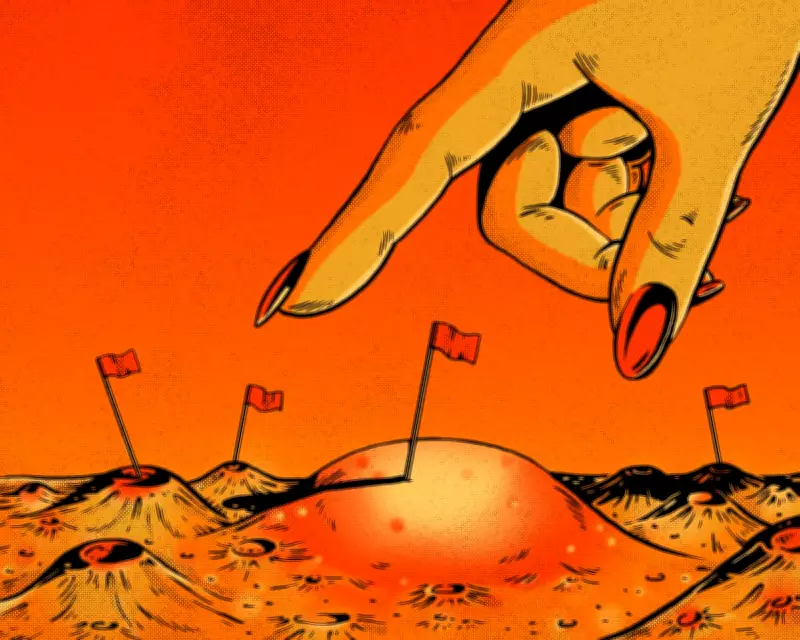
Understanding Compulsive Skin Picking: More Than Just a Bad Habit
Many individuals struggle with an uncontrollable urge to pick at their pimples, leading to skin irritation, redness, and potential infections. This behavior, often dismissed as a mere habit, can escalate into a serious condition known as dermatillomania, a body-focused repetitive behavior (BFRB) linked to anxiety disorders.
The Thin Line Between Habit and Disorder
Dr. Amy Wechsler, a dermatologist and psychiatrist based in New York, explains that BFRBs, including skin picking, nail biting, and cheek biting, typically manifest during periods of high stress and can fall on the spectrum of anxiety disorders. Diagnosis depends on factors like frequency, severity, and damage. Sporadic picking might be a bad habit, but it enters disorder territory when it results in drawing blood, leaving scars, or interfering with daily life socially or professionally.
Dermatillomania affects an estimated 2-5% of the population, though shame often keeps many from reporting symptoms. For those who "cannot stop" picking, seeking professional help is crucial to determine if it's a temporary issue or a more serious mental health condition.
Effective Strategies to Break the Cycle
Addressing the underlying causes is key. Treating acne can reduce triggers, as most patients won't pick if there's nothing there. Common interventions for hormonal acne include spironolactone, birth control pills, and topical retinoids, but consulting a dermatologist is essential for personalized care. Additionally, a hormone panel from an endocrinologist might reveal underlying medical issues.
Stress management plays a vital role. Meditation, deep breathing exercises, and cognitive behavioral therapy with a mental health professional can help manage anxiety. For some, anxiety medication may be an option. Surface-level solutions like covering spots with pimple patches or Band-Aids can act as physical barriers, while fidget toys might distract from the urge to pick.
The Role of Restorative Beauty and Self-Acceptance
Delphine Breyne, a New York-based aesthetician, works with patients affected by dermatillomania, offering treatments she calls "restorative beauty." For example, covering scars can help release negative emotions tied to trauma. This approach highlights the complex intersection of beauty standards, health, and autonomy—addressing acne isn't about conforming to ideals but reducing harm to skin and psyche.
Ultimately, breaking free from compulsive picking requires a multifaceted approach. Whether through professional therapy, medical treatments, or simple coping mechanisms, finding relief is possible for those struggling with this challenging behavior.