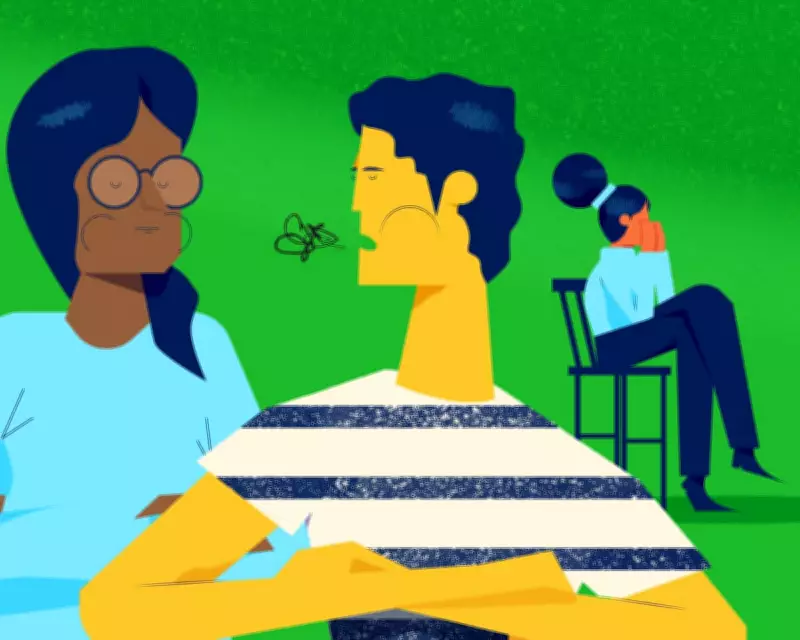
When a Breakup Splits Your Friendship Circle: Expert Advice on Healing
A reader, who we'll call Sarah, has been best friends with Ellie for over half her life, describing Ellie as one of the best friends she's ever had. Sarah started dating Will three years ago, and they have a solid relationship. For two years, the four of them—Sarah, Will, Ellie, and Ellie's long-term partner Tim—formed a close-knit friendship group. However, six months ago, Ellie and Tim broke up, creating a seismic shift in their social dynamics.
The Ripple Effect of a Relationship Ending
Their larger, mixed-gender friendship circle has now split somewhat into "boys versus girls." Sarah still sees Tim because he and Will are good friends, but she admits it's awkward. The core issue is that Tim has been confiding in Will about the breakup, expressing a lot of anger towards Ellie. This has caused Will to develop a dislike for Ellie as well.
Sarah explains that Ellie and Tim weren't right for each other and probably should have ended things sooner. While Ellie wasn't a great girlfriend to Tim, there was no cheating or abuse—just two people who didn't work well together. Now, Will refuses to hang out with Ellie and makes a fuss whenever Sarah invites her to events. Sarah understands that Will is hearing negative things from Tim, but she emphasizes that Ellie is her best friend. She loves both Will and Ellie deeply but hates that they're against each other.
Expert Insights on Navigating Change and Loss
Hazel Hyslop, a UKCP-registered psychotherapist, notes that this scenario is very common. She explains, "When this change in dynamics occurs, it doesn't just affect you personally, but creates a seismic shift in the whole group's relationship." Hyslop stresses that it's not Sarah's responsibility to mediate the friendship group. Instead, she offers a useful perspective: this situation may have shaken Will more than Sarah realizes.
"Is it possible Will might be scared that Ellie might influence you and you might leave him? This isn't rational thinking, but when we are feeling let down by others we can start catastrophising," Hyslop suggests. She adds that Sarah and Will might have slipped onto opposing sides. The more Will defends Tim and the more Sarah tries to defend Ellie, they risk losing the connection they've developed.
Practical Steps for Resolution
Rather than facing inward towards each other and accepting that they can both exist in a relationship with different perspectives, they appear to be looking outward, focusing on other people's behavior. Hyslop advises that being allies is much better for their relationship in the long run. She recommends that this will settle down over time, but in the meantime, implementing an embargo on talking about their friends while together might help until emotions settle.
Prioritizing their relationship a bit more and, for a while, seeing Ellie on her own could be beneficial. Sarah can't force Will to "back down" any more than he can force her to, and it's not her job to put forward anyone's case. The key lessons here involve navigating change and loss, recognizing that situations and people are rarely all good or all bad, and finding nuance through skill and reflection.
This advice column addresses a personal problem submitted by a reader, with insights from a professional psychotherapist to help manage friendship conflicts post-breakup.