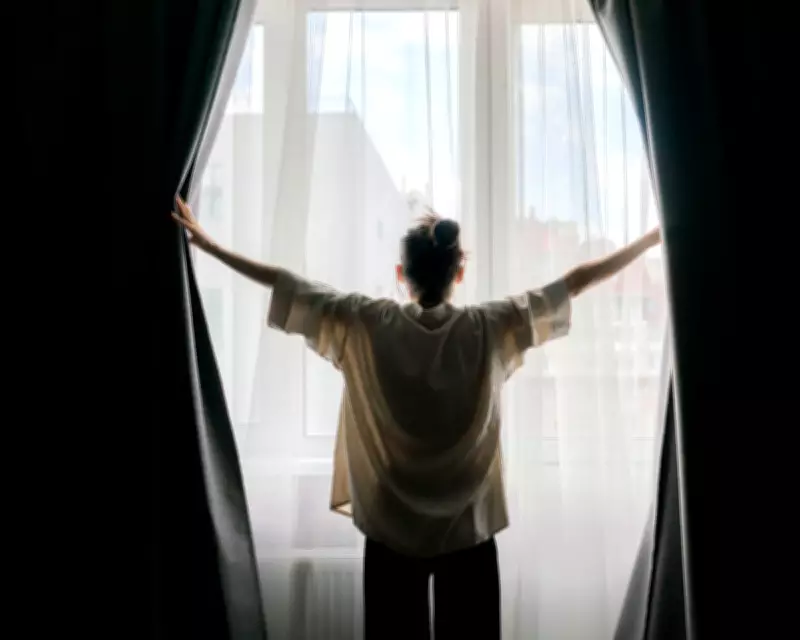
The Dutch method, a sleep strategy and life philosophy, involves keeping curtains open to harness sunlight for better health and social interaction. This practice, possibly dating back 500 years to the Reformation, emphasizes openness and has gained attention for its potential benefits on sleep quality and community bonds.
Understanding the Dutch Method
Contrary to common sleep advice that promotes dark rooms, the Dutch method suggests that exposure to morning sunlight can positively impact circadian rhythms. A study from last year found that receiving sunlight before 10 a.m. enhances sleep quality by helping the body set its biological clock. Sleep consultants recommend opening blinds or curtains upon waking to facilitate this natural light exposure, which can trigger melatonin release at appropriate times.
Historical and Cultural Roots
The tradition is often linked to Calvinism, where the belief that "the righteous have nothing to hide" encourages transparency. Dutch residents frequently cite reasons such as fostering community, enjoying people-watching, and maintaining a connection with the outside world. Many report waving to neighbors and creating a more open social atmosphere, reinforcing the idea that this practice goes beyond sleep to enhance daily interactions.
Health and Social Implications
Beyond sleep, the Dutch method promotes direct communication and community engagement. The concept of bespreekbaarheid, meaning no topic is taboo, supports frank dialogues that can resolve conflicts, such as neighborly disputes. This approach, combined with improved sleep from sunlight exposure, may contribute to overall wellbeing and stronger social ties.
While some may find the lack of privacy challenging, the Dutch method offers a unique blend of health benefits and social philosophy. Embracing this practice could lead to better rest and a more connected lifestyle, though it requires balancing openness with personal comfort.