Bafta Outburst Ignites Debate on Tourette Syndrome and Intent
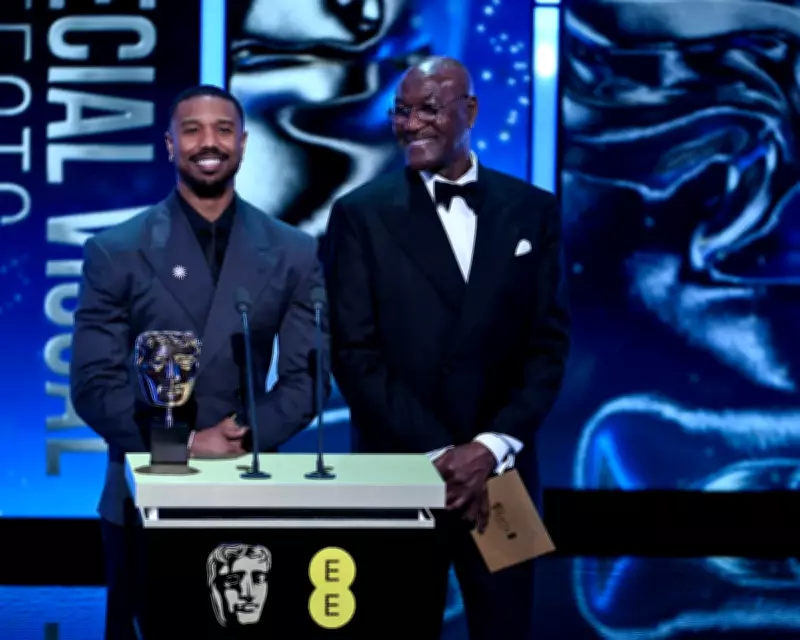
During Sunday's Bafta ceremony in London, an incident involving Tourette syndrome (TS) activist John Davidson sparked widespread controversy. As actors Delroy Lindo and Michael B. Jordan presented a prize on stage, Davidson made several outbursts, including shouting the N-word, leading to a furore over intent and acceptability.
Celebrity Reactions and Public Outcry
Prominent figures quickly weighed in on the event. Oscar winner Jamie Foxx condemned the use of the N-word as "Unacceptable" in an Instagram post, suggesting it was deliberate. Wendell Pierce, star of The Wire, expressed frustration on X, emphasizing that apologies to Lindo and Jordan should take priority, regardless of the reasoning behind the racist slur. Journalist Jemele Hill highlighted the broader issue of Black people being disrespected and dehumanized.
The Tourette Syndrome Perspective
David Whitlam, a 66-year-old with TS and coprolalia—vocal tics involving swearing—stressed that Davidson's outbursts were not deliberate. He argued that describing it as a "slur" is misleading, as a slur implies intentional targeting. Whitlam shared his own experience, recalling a similar incident in Texas in 1982 where he involuntarily ticced the N-word, underscoring the neurological nature of the condition.
Whitlam explained his coping mechanisms, such as avoiding neuro-stimulating situations and using self-talk to manage tics. He also noted that his late wife recognized his condition but avoided a formal diagnosis to preserve his authentic self.
Broader Implications and Personal Stories
James, from Canada, who has TS but no formal diagnosis, acknowledged the offence caused but expressed some compassion for Davidson. He shared that his own experiences led to expulsion from school and lost opportunities, yet he emphasized the unacceptability of the incident.
In a statement, Davidson expressed deep mortification, clarifying that his tics were involuntary and he left the auditorium early to avoid further distress. Critics pointed to Bafta and the BBC for failing to anticipate and manage the situation, with the BBC initially broadcasting the outburst despite a two-hour delay.
Advocacy and Awareness Efforts
Gavin Higgins, a classical composer diagnosed with TS at age eight, described the condition as misunderstood and the reaction as disheartening. He highlighted the positive impact of Davidson's film I Swear, which won multiple awards at the ceremony, in raising awareness. Higgins noted that TS has often been trivialized, but incidents like this reveal its complexity.
Patrick Hamlyn, diagnosed with TS at 22, called for greater understanding and empathy. He urged people to learn from each other's differences, suggesting that such dialogue could foster a healthier society.
Conclusion: A Call for Kindness and Education
The Bafta incident has underscored the need for nuanced discussions about Tourette syndrome, racism, and intent. While the hurt caused by offensive words is undeniable, advocates stress the involuntary nature of tics and hope for increased awareness. As Higgins noted, "A bit of kindness both ways is what's needed right now," pointing toward a path of mutual understanding and respect in addressing neurological conditions and social sensitivities.