
Public Dissatisfaction with Hospitals Persists Despite Labour's NHS Investment Drive
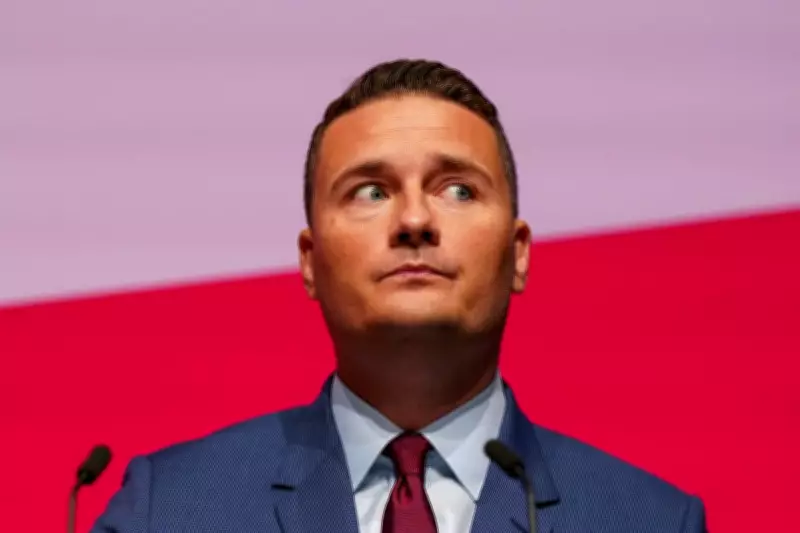
New research indicates that Britons continue to express significant frustration with hospital services across the country, despite the Labour government's substantial financial commitment to the National Health Service. This persistent discontent presents a considerable challenge for Health Secretary Wes Streeting as he works to implement his ambitious healthcare reforms.
Polling Reveals Sharp Decline in Hospital Satisfaction
A comprehensive survey conducted by Ipsos for Deloitte and the think tank Re:State has uncovered troubling trends in public perception. The data shows that 42 percent of British citizens report dissatisfaction with hospital performance nationwide. In contrast, only 31 percent of respondents expressed satisfaction with current hospital services.
This represents a dramatic reversal from pandemic-era attitudes when approximately 65 percent of Britons reported satisfaction with hospitals in 2020, with merely 14 percent expressing dissatisfaction. The shift from widespread appreciation during the healthcare crisis to current discontent highlights evolving public expectations and potential systemic challenges within the NHS infrastructure.
Political Pressure Mounts Amid Substantial NHS Investment
The polling results arrive at an politically sensitive moment for the Labour administration. Following last year's Spending Review, the government allocated a £29 billion real-terms increase in day-to-day NHS spending over the next three years. This substantial investment forms part of a broader strategy to ensure that 92 percent of patients begin consultant-led treatment for non-urgent conditions within 18 weeks of referral—a key target in government efforts to reduce extensive waiting lists.
Health Secretary Wes Streeting's comprehensive 10-year blueprint for NHS transformation has already encountered criticism from various unions and industry groups. Concerns have centered on proposed workforce changes and what some perceive as an overreliance on preventive healthcare measures to achieve systemic improvements.
Broader Public Sector Challenges Emerge
The joint report from Re:State and Deloitte, which incorporated interviews with approximately 100 public sector officials across local councils and major government departments, suggests the NHS has become "fundamentally unaffordable" in its current form. Anonymous Whitehall figures quoted in the document described Streeting's decade-long plan as "more vital than ever" given existing challenges.
Public sector officials additionally highlighted concerns about a "gridlock of talent" within government agencies and expressed beliefs that the civil service should undergo significant downsizing. These internal perspectives align with broader polling data showing diminished public trust in government capabilities.
Survey results indicate that public confidence reaches its lowest point regarding the government's ability to deliver major projects on time and within budget. Citizens also express skepticism about whether resources are being effectively directed toward citizen needs, though the government receives somewhat higher marks for its technological implementation efforts.
Healthcare Remains Top Voter Priority
The Ipsos polling confirms that the NHS represents the second-highest priority for British voters, trailing only cost-of-living concerns. Healthcare outranks both immigration and employment issues in terms of public importance, underscoring the political significance of hospital performance and NHS functionality.
As the Labour government continues its NHS investment drive, these findings suggest that financial commitments alone may not address underlying public concerns. The disconnect between substantial funding increases and persistent dissatisfaction creates a complex policy environment for Streeting and his team as they work to transform Britain's healthcare landscape.




