
Starmer Takes on Social Media Firms to Shield Children from Screen Addiction
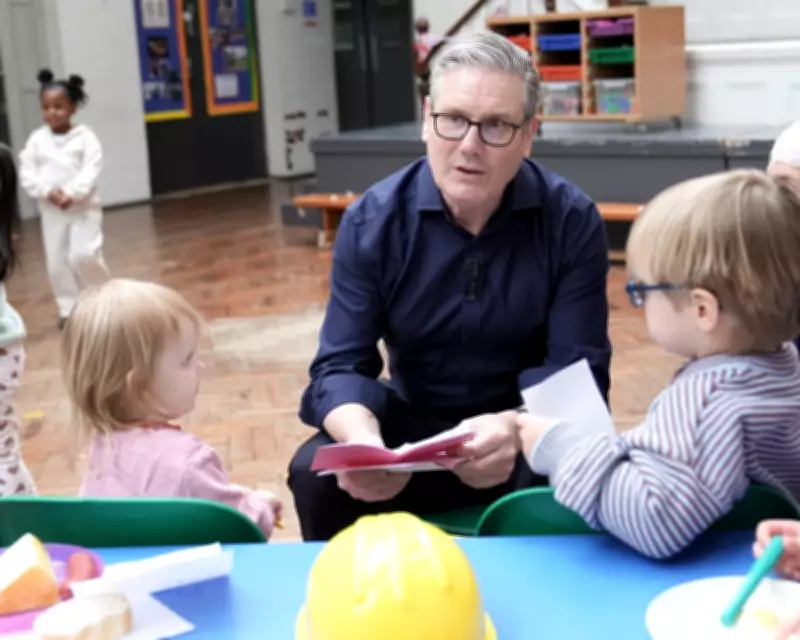
Prime Minister Keir Starmer has declared a "fight" with social media corporations as part of a broader initiative to curb children's screen usage. This announcement came during a visit to Rosendale Primary School in West Dulwich, south London, where he unveiled new official guidance recommending that children under five limit their screen time to no more than one hour per day.
The guidance, developed by a panel led by Children's Commissioner Rachel de Souza and adolescent health expert Professor Russell Viner, advises avoiding screen time entirely for children under two, except for shared activities like video calls with family. It also suggests that families of two- to five-year-olds steer clear of fast-paced social media-style videos and AI-powered toys.
Government Considers Stricter Measures for Under-16s
In a bold move, ministers are exploring Australia-style restrictions that could limit or ban social media access for individuals under 16. The government is currently consulting on potential age limits for social media platforms, gaming sites, and AI chatbots, alongside proposals to restrict addictive design features and enhance support for parents.
Starmer emphasized the necessity of this confrontation, stating, "Some of this will require a fight. We're going to have to fight some of the platforms that are putting this addictive material up there because they want more children to spend more time online. We must be clear whose side we're on here."
Practical Advice for Families
The guidance provides actionable tips for families, advocating for screen-free bedtimes and mealtimes. Instead, it recommends alternatives such as background music, table games, bedtime stories, and coloring activities. Importantly, it highlights that shared screen activities—like watching content together and discussing it—are more beneficial for cognitive development than solo usage.
Professor Viner warned, "Too much solo screen time can crowd out the things that make the biggest difference—sleep, play, physical activity, and talking with parents and carers." The panel also urged parents to reflect on their own screen habits and consider implementing screen-free periods for the entire family.
Impact on Child Development
Research cited by the Education Policy Institute reveals that infants with high screen time are less likely to be read to regularly or engage in outdoor trips, negatively affecting language development. Approximately 98% of children are exposed to screens daily by age two, underscoring the urgency of this issue.
Dr. Mike McKean, vice-president for policy at the Royal College of Paediatrics and Child Health, welcomed the guidance, noting it helps parents navigate the "challenging period" of early childhood in the digital age. The panel's review found that excessive solo screen time disrupts key developmental activities, including sleep and creative play, though exceptions are made for children with special educational needs using assistive technologies.
This initiative aims to foster healthier relationships with screens, ensuring children are better prepared for school and overall well-being.




