
Nigeria's Escalating Hunger Crisis Overwhelms Healthcare System
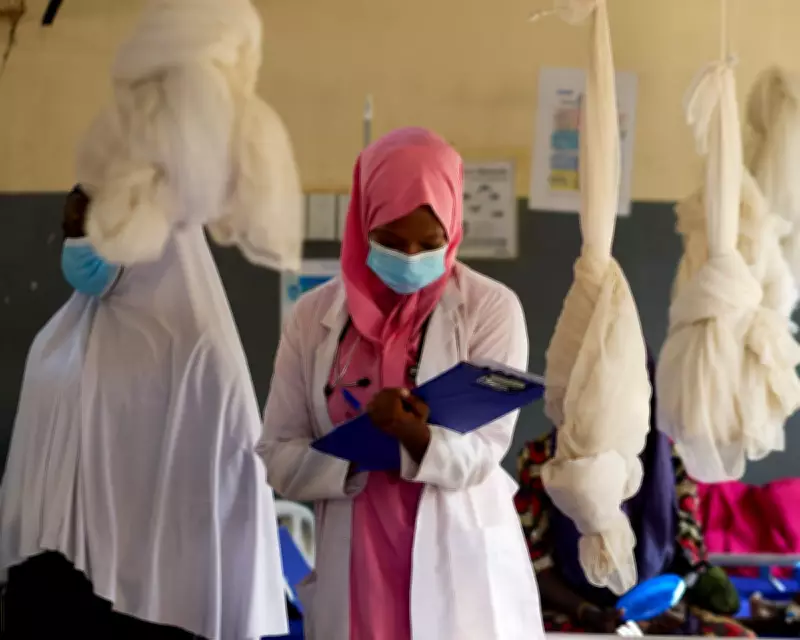
In the heart of Nigeria's northern Katsina state, the Alima medical facility in Kaita stands as a critical lifeline amidst an unprecedented hunger crisis. Medical personnel work tirelessly, using color-coded tape to measure children's arm diameters, a stark visual indicator of malnutrition levels. The facility, funded by the Alliance for International Medical Action and its donors since 2021, treated over 36,000 children through its malnutrition program last year alone.
Children Bear the Brunt of Widespread Food Insecurity
Zuwaira Hanafi's experience typifies the crisis. She watched in shock as doctors rushed to treat her eight-month-old daughter Hambali, who arrived at the facility semiconscious. They are among millions affected, with the United Nations Office for the Coordination of Humanitarian Affairs projecting approximately 6.4 million Nigerian children will face acute malnutrition by the end of 2026. The majority of these cases are concentrated in northern regions like Katsina.
Dr. Soma Bahonan, head of Alima's Nigeria mission, reports increasing numbers of mothers also presenting with acute malnourishment. The 80-bed facility, while a lifesaver for local communities, faces impossible challenges. Katsina state sits at the epicenter of Nigeria's intergenerational hunger crisis, where climate shocks, poor governance, and security issues compound food insecurity.
Systemic Healthcare Challenges Exacerbate Crisis
Nigeria's healthcare system operates under severe strain. The doctor-to-patient ratio stands at roughly 1:9,000, far below the World Health Organization's recommended 1:600. Thousands of doctors are emigrating abroad, citing delayed payment of meagre salaries. While digital health startups and private-sector partnerships have made progress in major cities like Lagos and Abuja, infrastructure shortcomings and inflation hinder expansion elsewhere.
"Nigeria remains in a polycrisis: an economic/cost of living crisis, a security crisis, a human capital development crisis, a human development crisis," explained Joachim MacEbong, senior analyst at Control Risks. "All four feed on and amplify each other."
Funding Shortfalls and Supply Chain Issues
The 2025 federal budget allocated only about 5.2% of the total 47.9 trillion naira budget to the health sector, well below the 15% Abuja Declaration target agreed upon by African Union member nations. This represents one of the continent's lowest per capita health spends.
In February, Health Minister Muhammad Ali Pate revealed that of the 218 billion naira budget allocated for ministry operations and capital projects, only 36 million naira was released. "It's a figure that tells its own story," MacEbong noted.
Pharmaceutical supply chains present additional challenges. Peter Bunor Jr., co-founder of Field Intelligence, explained that supply chain disruptions mean "travelling long distances only to find that the drug they need isn't available, or substituted with whatever is accessible, often at great cost." During hunger crises, malnutrition weakens immune systems, increasing treatment demand when supply chains are most strained.
Response Efforts and Future Challenges
Nonprofit organizations are strategizing to combat enhanced risks during the upcoming lean season from June to September. The Nigerian government partnered with the World Bank on the Accelerating Nutrition Results in Nigeria project, providing basic nutrition packages to millions of vulnerable households. The project's second phase is currently underway.
Field Intelligence launched the Nigeria Health Logistics Management Information System in 2018, the country's first system tracking pharmaceutical supply chain data for public health initiatives. UNICEF recently joined the platform, now managed by the health ministry, with hopes that more organizations will follow to anticipate and address shortages before they become crises.
Experts emphasize the need for increased food affordability for vulnerable households, enhanced social protection, and sustained investment in maternal nutrition. As Bahonan observed, "even with the results we're seeing in Kaita, the wider situation is very concerning." The Red Cross warns that up to 33 million Nigerians could face severe hunger this year, underscoring the scale of the challenge facing Africa's most populous nation.




